
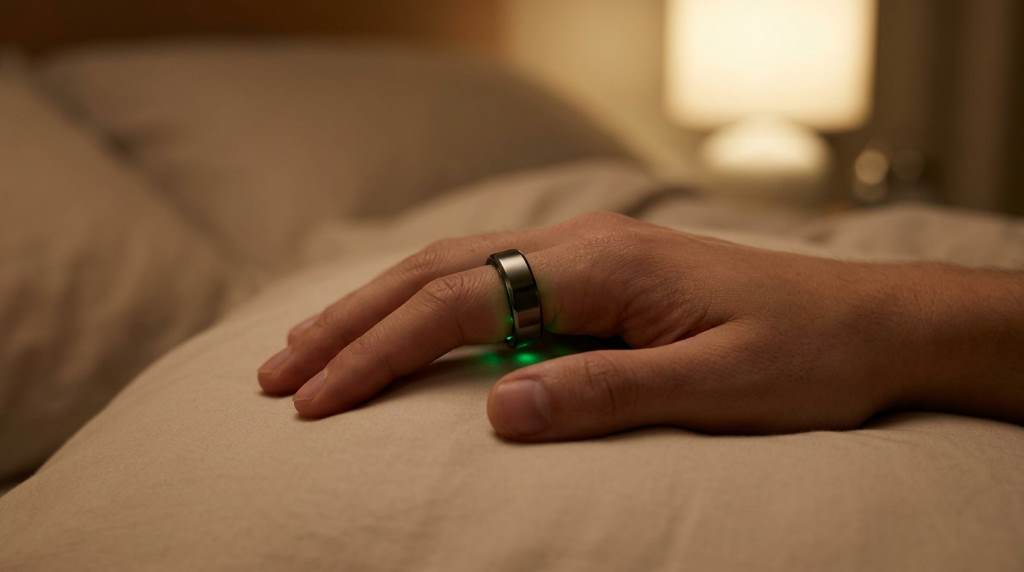
Wearable health technology continues to transform personal wellness monitoring across the USA. Recent studies indicate that wearable health device adoption has surpassed 35% among American adults, while sleep tracking usage has increased significantly during recent years. Understanding how to track health using the best fitness rings can help users make informed lifestyle decisions. Many consumers researching best fitness tracking rings seek practical methods to improve sleep quality, activity levels, and overall wellness.
Unlike traditional fitness wearables, fitness rings provide continuous health monitoring through compact and comfortable designs. These devices collect valuable biometric data throughout the day and night. Consequently, users can gain meaningful insights into their physical condition without disrupting daily activities.
Understanding How Fitness Rings Track Health
Fitness rings use advanced sensors to monitor various physiological signals continuously. These sensors collect information related to movement, heart activity, temperature, and sleep patterns. As a result, users receive comprehensive health reports through companion applications.
Most premium fitness rings utilize accelerometers, infrared sensors, and temperature sensors. These technologies work together to provide accurate wellness measurements. Therefore, users can identify trends and make informed health decisions.
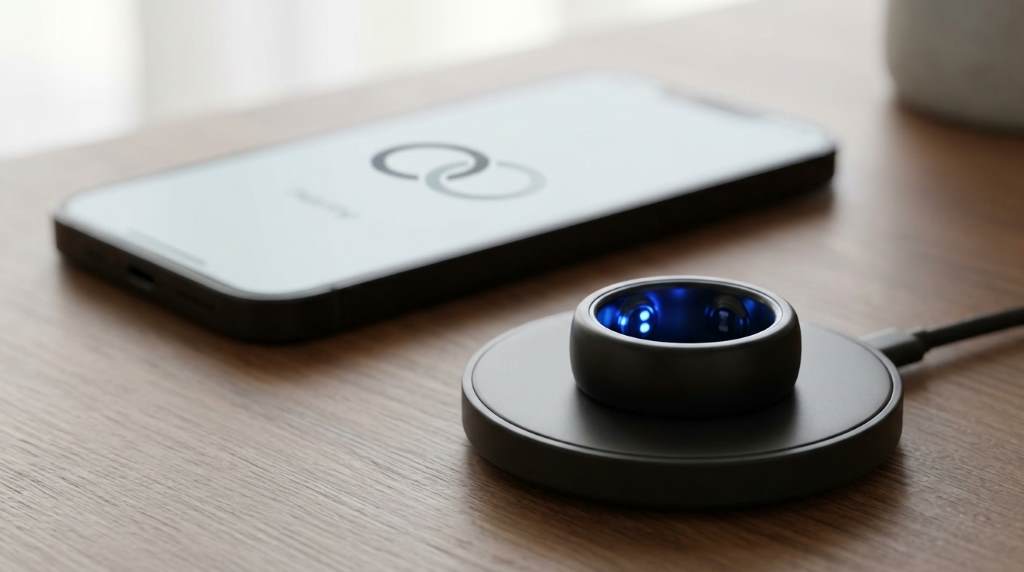
Core Health Metrics Measured by Fitness Rings
Modern fitness rings typically monitor several important health indicators. Each metric contributes to a better understanding of overall wellness. Furthermore, combining multiple measurements creates more personalized health insights.
- Heart rate monitoring
- Heart rate variability (HRV)
- Sleep duration and quality
- Blood oxygen saturation
- Skin temperature changes
- Daily activity tracking
- Stress level estimation
- Recovery readiness scores
- Calorie expenditure
- Movement patterns
Setting Up Your Fitness Ring Correctly
Proper setup significantly improves tracking accuracy and long-term results. Before using your fitness ring, ensure it fits comfortably on the recommended finger. A secure fit allows sensors to maintain consistent skin contact.
After pairing the ring with its companion application, enter accurate personal information. Include age, weight, height, gender, and activity preferences. Consequently, the device can generate more personalized health recommendations.
Choosing the Right Finger Placement
Finger selection affects sensor performance and data quality. Most manufacturers recommend wearing the ring on the index finger. However, some users experience better results on the middle or ring finger.
Test different placements during the initial setup period. Compare data consistency across several days. Eventually, you can identify the most accurate position for your physiology.
Using Sleep Tracking Features Effectively
Sleep monitoring remains one of the most valuable fitness ring functions. These devices automatically detect sleep onset, duration, and interruptions. Therefore, users can understand how lifestyle habits affect sleep quality.
Most advanced fitness rings categorize sleep into different stages. These stages typically include light, deep, and REM sleep. Consequently, users receive detailed reports about sleep efficiency and recovery.
Improving Sleep Quality Through Data Analysis
Review sleep reports consistently rather than focusing on individual nights. Long-term trends provide more useful information. Additionally, environmental factors often influence sleep patterns.
- Maintain consistent bedtime schedules
- Reduce screen exposure before sleep
- Avoid caffeine late in the day
- Keep bedroom temperatures comfortable
- Monitor stress-related sleep disruptions
Tracking these variables alongside fitness ring data helps identify effective sleep improvement strategies. Consequently, users often experience better recovery and daytime performance.
Monitoring Heart Health Accurately
Continuous heart monitoring provides valuable insights into cardiovascular wellness. Fitness rings measure resting heart rate throughout the day and night. Therefore, users can identify unusual changes more quickly.
Heart rate variability represents another important health metric. Higher HRV values often indicate better recovery and resilience. Meanwhile, lower values may suggest fatigue, stress, or illness.
Understanding Resting Heart Rate Trends
Resting heart rate changes gradually over time rather than overnight. Monitor weekly and monthly averages for meaningful insights. Consequently, you can recognize patterns related to exercise, stress, or illness.
Many fitness experts recommend tracking resting heart rate immediately after waking. Fortunately, fitness rings automate this process accurately. This automation reduces measurement inconsistencies.
Tracking Daily Activity Levels
Physical activity monitoring helps users maintain consistent exercise habits. Fitness rings track movement, steps, calorie expenditure, and active minutes. Therefore, users receive objective feedback about daily performance.
Instead of focusing exclusively on step counts, evaluate overall activity patterns. Different activities contribute uniquely to long-term health outcomes. Consequently, balanced movement goals produce better results.
Creating Sustainable Activity Goals
Unrealistic goals often reduce motivation and long-term adherence. Begin with achievable daily movement targets. Then gradually increase activity levels over time.
- Walk for 30 minutes daily
- Stand regularly during work hours
- Incorporate light stretching sessions
- Track weekly exercise consistency
- Review monthly activity trends
Consistent activity tracking creates measurable progress indicators. Furthermore, gradual improvements remain easier to maintain.
Managing Stress Through Biometric Data
Many advanced fitness rings estimate stress using physiological measurements. These estimates typically rely on heart rate variability and other biological signals. Therefore, users can identify periods of elevated stress.
Understanding stress patterns helps individuals implement healthier coping strategies. Additionally, recognizing triggers improves emotional resilience and recovery.
Using Stress Data Productively
Avoid interpreting temporary stress spikes as health problems. Instead, focus on recurring patterns and environmental triggers. Consequently, stress monitoring becomes more actionable.
- Practice breathing exercises
- Maintain regular sleep schedules
- Exercise consistently
- Limit excessive caffeine consumption
- Schedule recovery periods
Tracking Recovery and Readiness Scores
Recovery monitoring combines several physiological measurements into a single readiness score. These scores estimate how prepared the body is for physical and mental demands. Therefore, users can optimize daily activities.
Recovery scores usually incorporate sleep quality, heart rate variability, and resting heart rate. Together, these indicators provide valuable recovery assessments.
Adjusting Lifestyle Based on Recovery Data
Use recovery scores to guide exercise intensity and workload decisions. Lower scores may indicate the need for additional rest. Meanwhile, higher scores often support increased activity.
However, recovery data should complement personal judgment rather than replace it. Listening to physical symptoms remains equally important.
Analyzing Long Term Health Trends
The greatest benefit of fitness rings comes from long-term monitoring. Daily fluctuations rarely provide meaningful conclusions. Instead, monthly and quarterly trends reveal important health patterns.
Review historical data regularly to identify lifestyle influences. Consequently, users can develop personalized wellness strategies that support sustainable health improvements.
Important Trends to Monitor
- Average sleep duration
- Monthly resting heart rate changes
- Heart rate variability trends
- Weekly activity consistency
- Stress frequency patterns
- Recovery score averages
Tracking these metrics consistently creates a more complete picture of overall wellness. Furthermore, early identification of changes may encourage proactive healthcare discussions.
Common Mistakes to Avoid When Using Fitness Rings
Many users expect immediate health transformations after purchasing a fitness ring. However, wearable data requires consistent interpretation over time. Therefore, patience remains essential.
Another common mistake involves comparing personal data with other users. Individual physiology varies significantly. Consequently, personal trends matter more than external benchmarks.
- Avoid wearing improperly sized rings
- Do not obsess over daily fluctuations
- Update device software regularly
- Review trends instead of isolated measurements
- Consult healthcare professionals when necessary
Conclusion
Learning how to track health using the best fitness rings empowers individuals to make informed wellness decisions. These devices provide valuable insights into sleep, activity, recovery, stress, and cardiovascular health. However, consistent monitoring and thoughtful interpretation remain essential for meaningful results.
If you want to improve your health journey, start tracking your habits consistently and use your fitness ring data to build healthier daily routines.
FAQs
Are fitness rings more accurate than smartwatches?
Fitness rings often provide more consistent sleep and recovery tracking due to continuous skin contact.
Can fitness rings detect health problems?
Fitness rings can identify unusual trends but cannot diagnose medical conditions.
How long should I wear a fitness ring daily?
Wear your fitness ring continuously for the most accurate health insights.
Do fitness rings track stress levels accurately?
They estimate stress using physiological signals and provide useful trend information.
Are fitness rings suitable for beginners?
Yes, fitness rings offer simple and accessible health tracking for all experience levels.


