
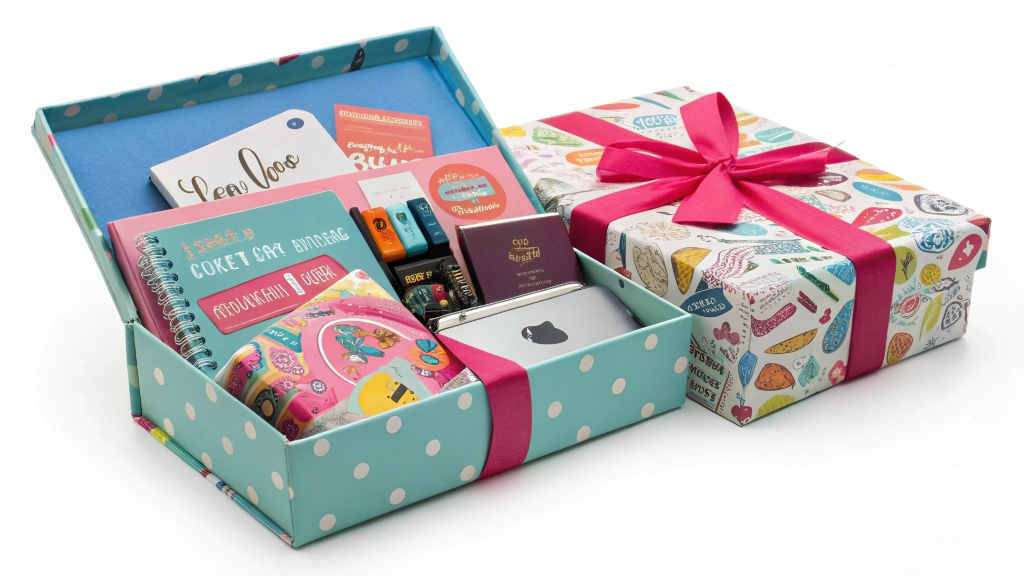
The teen experience gift subscription box has emerged as a dynamic and engaging way to deliver curated, hands-on experiences to teenagers, blending the thrill of discovery with educational and creative opportunities. These boxes, tailored specifically for teens, offer a monthly or quarterly surprise filled with activities, products, and themes designed to spark curiosity, foster skill development, and align with the unique interests of this demographic. This 2500-word article delves into the history, current state, key concepts, benefits, challenges, and future trends of teen experience gift subscription boxes, providing an in-depth exploration for readers seeking valuable insights.
History of Teen Experience Gift Subscription Boxes
Early Beginnings of Subscription Boxes
The subscription box model traces its roots to early book clubs and magazine subscriptions, but the modern iteration began in 2010 with Birchbox, a beauty box offering curated samples. This model resonated with consumers seeking convenience and personalization, paving the way for niche subscription services.
-
Pre-2010: Book-of-the-Month Clubs and similar services laid the groundwork, delivering curated content to subscribers.
-
2010: Birchbox introduced a beauty box with sample-size products, targeting young adults and sparking the subscription box boom.
-
2011–2015: The model expanded to include food, apparel, and lifestyle boxes, with companies like Blue Apron and Stitch Fix gaining traction.
Evolution Toward Teen-Focused Boxes
By the mid-2010s, the subscription box industry recognized the potential of targeting teenagers, a demographic with distinct interests and spending power. Companies began designing boxes that catered to teens’ desire for self-expression, creativity, and learning, moving beyond traditional retail experiences.
-
2015–2017: Early teen boxes focused on beauty (e.g., Ipsy) and fashion (e.g., Stitch Fix), appealing to teens’ interest in personal style.
-
2018–2020: STEM-focused boxes like KiwiCo and MEL Science emerged, targeting teens’ educational and career aspirations.
-
2020–Present: The COVID-19 pandemic accelerated demand for home-based activities, boosting the popularity of teen experience boxes with hands-on projects and immersive themes.
Current State of Teen Experience Gift Subscription Boxes
Market Size and Growth
The global subscription box market reached USD 37.5 billion in 2024 and is projected to grow to USD 116.2 billion by 2033, with a compound annual growth rate (CAGR) of 13.3%. Teen-focused boxes, while a smaller segment, are gaining traction due to their appeal as gifts and educational tools.
-
North America: Dominates the market due to high consumer spending and robust e-commerce infrastructure.
-
Asia-Pacific: Emerging as a high-growth region, driven by increasing internet penetration and demand for personalized experiences.
-
Teen Segment: Accounts for an estimated 10–15% of the subscription box market, with growth fueled by parental investment in educational and creative activities.
Popular Categories and Brands
Teen experience gift subscription boxes span various categories, each designed to engage teens through curated, thematic experiences. Below is a table summarizing key categories and leading brands:
|
Category |
Description |
Leading Brands |
Price Range (Monthly) |
|---|---|---|---|
|
STEM |
Hands-on science, technology, engineering, and math projects |
MEL Science, KiwiCo, CrunchLabs |
$20–$40 |
|
Beauty & Self-Care |
Skincare, makeup, and wellness products curated for teen preferences |
Ipsy, TheraBox, Allure Beauty Box |
$13–$65 |
|
Arts & Crafts |
Creative projects like embroidery, painting, and DIY kits |
We Craft Box, Craftsy, Pipsticks |
$15–$30 |
|
Books & Literature |
Curated books with themed goodies for teen readers |
OwlCrate, Book of the Month, Literati |
$10–$60 |
|
Lifestyle & Pop Culture |
Themed boxes with collectibles, snacks, and apparel |
Loot Crate, Bokksu, TokyoTreat |
$14–$50 |
Consumer Demographics
Teen subscription boxes primarily target ages 13–19, with parents often purchasing them as gifts. Millennials and Gen Z, who value personalization and convenience, drive demand. A 2020 study found that 36.7% of 18–24-year-olds subscribed to a box, with 6.9% subscribing to multiple.
-
Gender: Boxes are increasingly gender-neutral, though beauty and fashion boxes still skew toward female teens.
-
Income Level: Middle- and upper-income families are the primary buyers, with boxes often seen as educational investments.
-
Geographic Trends: Urban areas show higher adoption due to e-commerce access, but rural demand is growing with improved delivery networks.
Key Concepts of Teen Experience Gift Subscription Boxes
Curation and Personalization
Curation is the cornerstone of teen experience boxes, with products selected to align with a teen’s interests, learning style, or aesthetic preferences. Personalization, often powered by algorithms and customer data, enhances the experience.
-
Curation: Experts (e.g., educators, stylists) select items to create a cohesive, thematic experience (e.g., a “Space Exploration” STEM box).
-
Sub-Bullet: Themes rotate monthly to maintain excitement and relevance.
-
-
Personalization: Subscribers complete quizzes or profiles to tailor boxes to their preferences (e.g., dietary needs for meal kits, skin type for beauty boxes).
-
Sub-Bullet: AI-driven personalization is becoming standard, improving product relevance.
-
Experiential Learning
Unlike traditional retail, teen experience boxes emphasize hands-on learning and engagement, fostering skills like problem-solving, creativity, and critical thinking.
-
STEM Boxes: Projects like building a robot or conducting chemistry experiments teach scientific principles.
-
Sub-Bullet: MEL Science includes VR components for immersive learning.
-
-
Craft Boxes: Activities like embroidery or painting encourage artistic expression and fine motor skills.
-
Sub-Bullet: We Craft Box provides video tutorials for guided projects.
-
-
Book Boxes: OwlCrate includes discussion guides to deepen literary analysis.
Surprise and Anticipation
The element of surprise drives subscriber engagement, with teens eagerly awaiting their monthly delivery. This psychological “gamble” leverages operant conditioning, encouraging continued subscriptions.
-
Unboxing Experience: Carefully designed packaging and presentation enhance the thrill of discovery.
-
FOMO (Fear of Missing Out): Limited-edition items or exclusive themes create urgency to stay subscribed.
Benefits of Teen Experience Gift Subscription Boxes
Educational Value
Teen experience boxes offer structured learning opportunities outside the classroom, making education fun and accessible.
-
STEM Development: Boxes like CrunchLabs introduce engineering concepts through projects like assembling an infrared turret.
-
Literacy and Critical Thinking: Book boxes like Literati expose teens to diverse genres, fostering empathy and analysis.
-
Skill-Building: Crafts and DIY kits enhance fine motor skills, patience, and creativity.
Convenience and Time-Saving
For busy parents, subscription boxes provide pre-curated activities that require minimal planning.
-
Ready-to-Use: Boxes include all necessary materials, reducing the need for separate purchases.
-
Flexible Scheduling: Options to pause or skip deliveries accommodate family schedules.
Personal Growth and Confidence
Engaging in hands-on projects or exploring new interests helps teens build confidence and self-esteem.
-
Self-Expression: Beauty and lifestyle boxes allow teens to experiment with identity and style.
-
Achievement: Completing a complex STEM project or craft fosters a sense of accomplishment.
Social Connection
Many boxes encourage sharing experiences, either through online communities or collaborative projects.
-
Community Building: Brands like OwlCrate host online forums for book discussions.
-
Gift Appeal: Boxes make thoughtful gifts, strengthening bonds between givers and recipients.
Challenges Facing Teen Experience Gift Subscription Boxes
High Churn Rates
Churn, or subscriber cancellation, is a significant challenge, with nearly 40% of e-commerce subscribers canceling their subscriptions.
-
Reasons for Churn: Dissatisfaction with product quality, lack of perceived value, or accumulation of unused items.
-
Retention Strategies: Companies offer discounts, loyalty perks, or improved personalization to reduce churn.
Market Saturation and Competition
The subscription box market is highly competitive, with new entrants struggling to differentiate.
-
Established Players: Brands like KiwiCo and Ipsy dominate due to brand recognition and scale.
-
Niche Challenges: Smaller brands targeting specific teen interests (e.g., gaming) face higher customer acquisition costs.
Sustainability Concerns
Environmental impact is a growing concern, as packaging and shipping contribute to waste.
-
Current Practices: Some brands use recyclable materials, but single-use plastics remain common.
-
Consumer Demand: Teens, especially Gen Z, prioritize eco-friendly options, pressuring brands to adopt sustainable practices.
Cost and Accessibility
Subscription boxes can be expensive, limiting access for lower-income families.
-
Price Range: Monthly costs of $13–$65 may be prohibitive for some.
-
Equity Issues: Rural or underserved areas may face delivery challenges, reducing accessibility.
Future Trends in Teen Experience Gift Subscription Boxes
Technological Integration
Advancements in AI, AR, and VR will enhance personalization and interactivity.
-
AI Personalization: Algorithms will refine product selection based on real-time feedback.
-
AR/VR Experiences: STEM boxes may include AR apps for virtual experiments, as seen with MEL Science’s VR headsets.
Sustainability Focus
Brands will prioritize eco-friendly materials and carbon-neutral shipping to align with teen values.
-
Biodegradable Packaging: Companies like Bokksu are exploring compostable materials.
-
Local Sourcing: Reducing shipping distances to lower carbon footprints.
Expansion into Niche Markets
As teen interests diversify, boxes will cater to hyper-specific niches like esports, sustainable fashion, or mental wellness.
-
Esports Boxes: Curated gaming gear and tutorials for aspiring streamers.
-
Wellness Boxes: TheraBox’s focus on mindfulness will expand to teen-specific self-care kits.
Hybrid Models
Brands may combine physical boxes with digital content, such as apps or online courses, to enhance value.
-
Digital Integration: Lovevery’s app offers parenting tips alongside physical toys.
-
Subscription Tiers: Flexible pricing models (e.g., basic vs. premium) will cater to different budgets.
Proven Methodology: Designing a Successful Teen Experience Box
Creating a teen experience gift subscription box requires a strategic approach to ensure engagement and retention. Below is a proven methodology based on industry best practices:
-
Market Research:
-
Conduct surveys to identify teen interests (e.g., gaming, skincare, crafts).
-
Analyze competitors to find gaps in the market.
-
-
Curation Process:
-
Partner with experts (e.g., educators, stylists) to select high-quality, age-appropriate items.
-
Ensure thematic consistency (e.g., a “Cosmic Adventure” box with a star chart, glow-in-the-dark crafts, and a sci-fi book).
-
-
Personalization:
-
Use quizzes or AI to tailor boxes to individual preferences.
-
Allow subscribers to choose one or two items per box for greater control.
-
-
Sustainability:
-
Use recyclable or biodegradable packaging.
-
Source products locally to reduce shipping emissions.
-
-
Retention Strategies:
-
Offer loyalty discounts after six months of subscription.
-
Create online communities for subscribers to share experiences (e.g., a Discord server for STEM box users).
-
Mathematical Proof of Retention Impact: Retention is critical for profitability. Assume a subscription box costs $30/month, with a customer acquisition cost (CAC) of $50. If the average subscriber stays for 6 months, revenue is $180, yielding a profit of $130 after CAC. If retention improves to 12 months through personalization and discounts, revenue doubles to $360, increasing profit to $310. This 138% profit increase underscores the importance of retention strategies.
Review of Top Teen Experience Gift Subscription Boxes
MEL Science
-
Category: STEM
-
Price: $34.90/month
-
Pros: Engaging experiments, VR integration, clear instructions.
-
Cons: Higher price point, some projects require adult supervision.
-
Review: “My 14-year-old son loved building a gyroscope. The VR component made it feel like a video game, but he learned physics concepts.” – Judith, parent.
Ipsy Glam Bag
-
Category: Beauty
-
Price: $13/month
-
Pros: Affordable, customizable, high-end samples.
-
Cons: Deluxe sizes may not suit teens wanting full-size products.
-
Review: “Perfect for my 16-year-old daughter who’s experimenting with makeup. The cute bag is a bonus!” – Sarah, parent.
OwlCrate
-
Category: Books
-
Price: $32.99/month
-
Pros: High-quality books, immersive goodies, community engagement.
-
Cons: Higher cost, not ideal for non-readers.
-
Review: “The themed items make reading more fun. My teen joined the online book club and loves discussing the stories.” – Emily, parent.
Read More Also: Personalized Constellation Gifts: Meaning Beyond the Stars
5 FAQs About Teen Experience Gift Subscription Boxes
-
What makes teen experience boxes different from kids’ boxes?
-
Teen boxes focus on complex projects, self-expression, and trending interests, catering to ages 13–19, while kids’ boxes target simpler activities for younger children.
-
-
Are these boxes worth the cost?
-
Yes, if they align with a teen’s interests. They offer curated, high-quality experiences that save time and provide educational value, often justifying the $15–$40 price range.
-
-
Can I pause or cancel a subscription easily?
-
Most brands allow pausing or canceling via their website, but auto-renewal can be tricky. Set calendar reminders to avoid unwanted charges.
-
-
Are there eco-friendly options?
-
Yes, brands like Bokksu and Beauty Heroes use recyclable packaging, and some source sustainable products. Check brand policies before subscribing.
-
-
How do I choose the right box for my teen?
-
Consider their interests (e.g., STEM, beauty, books), budget, and desired frequency. Read reviews and check for customization options to ensure a good fit.
-
Read More Also: Unique Hostess Gifts Under $30: A Comprehensive Guide
Conclusion
Teen experience gift subscription boxes have transformed how teenagers engage with learning, creativity, and self-expression. From their origins in the early 2010s to a projected $116.2 billion market by 2033, these boxes offer curated, hands-on experiences that resonate with teens and parents alike. Key concepts like personalization, experiential learning, and surprise drive their appeal, while benefits include educational value, convenience, and personal growth. However, challenges like churn, competition, and sustainability require ongoing innovation. Future trends, such as AI integration and niche markets, promise to keep the industry vibrant. By selecting boxes that align with a teen’s interests and leveraging proven strategies, parents and gift-givers can unlock a world of discovery for the teens in their lives.