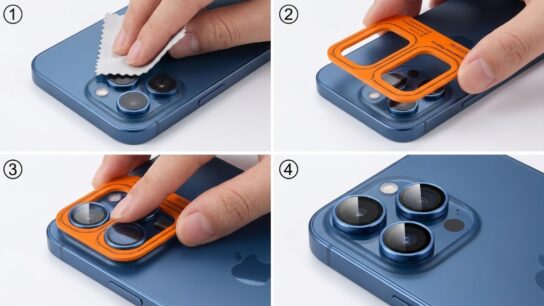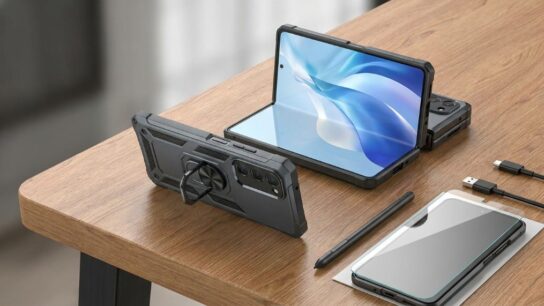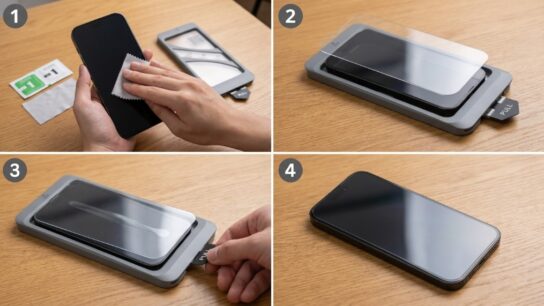
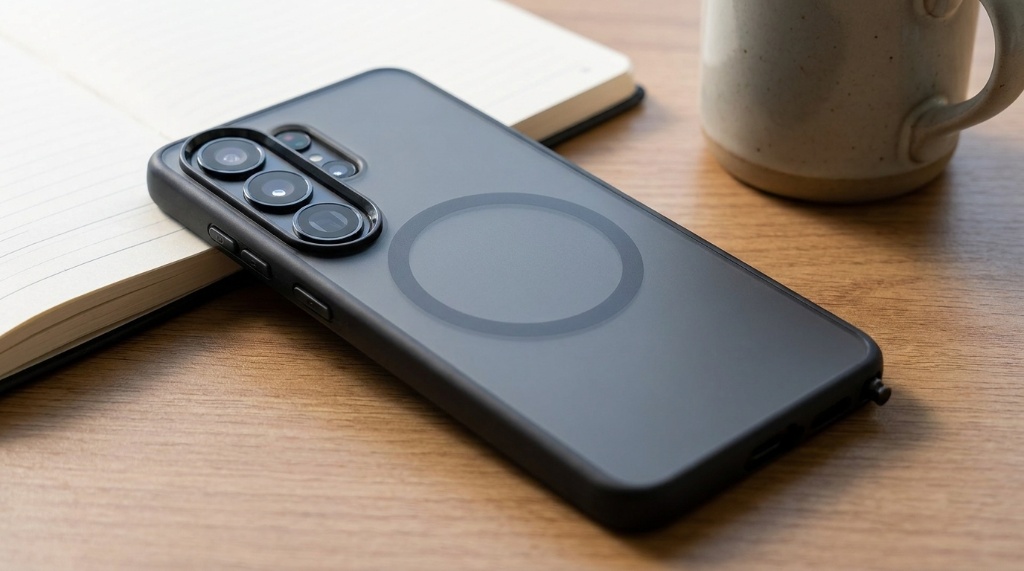
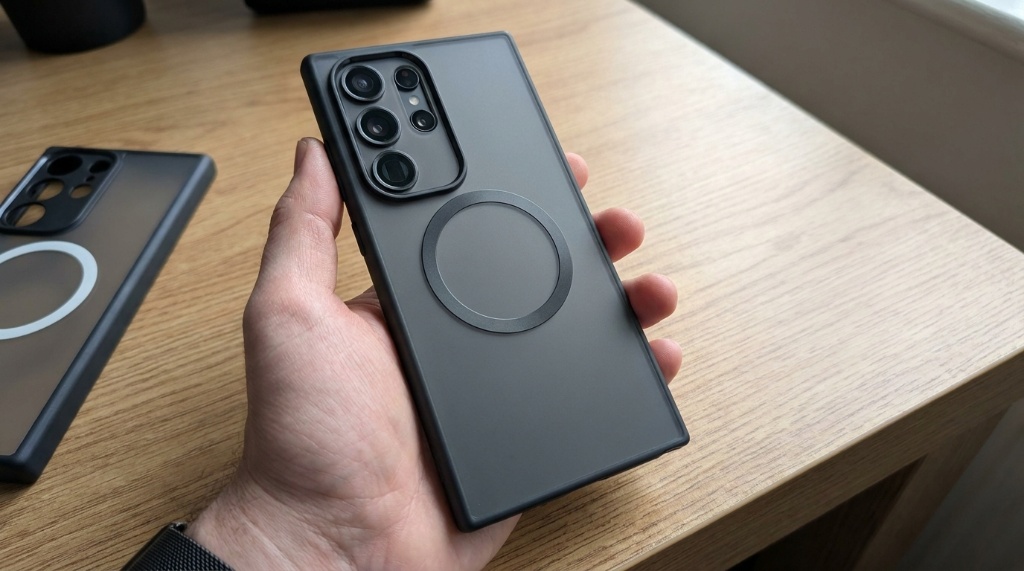
Choosing a case comes down to four decisions: protection, material, grip, and accessory fit. Get those right, and the rest becomes cosmetic. A Tocol Samsung Galaxy S26 Ultra Case should match how you carry and charge your phone. Most buyers start with color and regret it later. A slim clear shell feels great until the first hard drop. A thick armored case survives the drop but blocks wireless charging. The sections below walk through each trade-off in the order that matters most.
Pick your protection level first, then match material and fit to it. Choose a raised camera lip, precise button cutouts, and confirmed wireless charging support. Slim TPU suits careful users, while dual-layer or armored designs suit heavy use. Always verify the case lists the S26 Ultra specifically, since Ultra models differ in size from other Galaxy phones.
Key Takeaways
- Decide protection level before style, because it limits every other choice.
- Raised camera lips and screen edges prevent the most common damage.
- Confirm wireless charging and magnetic accessory support before buying.
- Check that the case lists the S26 Ultra, not a generic Galaxy model.
- Clean the case monthly to prevent grit scratches on the frame.
Start With Your Protection Level, Not the Color
Protection level sets the ceiling for everything else. A case built for drops will always be thicker than a case built for looks. Decide how much bulk you can tolerate before you browse designs.
Think about your last three phone accidents. If they were drops onto pavement, you need corner cushioning and a raised lip. If they were scratches in a bag, a slim shell with a soft lining works fine. Matching the case to your real habits beats buying the toughest option available.
Three Practical Protection Tiers
- Minimal: Thin shells that stop scratches and add grip only.
- Everyday: Single-layer TPU or polycarbonate with raised edges.
- Heavy duty: Dual-layer or armored cases with reinforced corners.
Most people land in the everyday tier. It balances weight, cost, and drop resistance without turning the phone into a brick.
Material Choices and What They Actually Do
Material determines how the case feels, ages, and absorbs impact. Each option trades something away.
Soft TPU flexes on impact and grips well, but it yellows over time. Hard polycarbonate holds its shape and color, yet it can crack under sharp stress. Hybrid cases combine a rigid back with a flexible bumper, which is why they dominate the mid-range.
Leather and fabric finishes look premium and feel warm in hand. However, they absorb oils and need more careful cleaning. Silicone offers excellent grip but collects lint in pockets.
Fit, Cutouts, and Camera Protection
A case only protects if it fits precisely. Loose edges let dust and grit slide between the shell and the frame. That grit then acts like sandpaper against the phone’s finish.
Check three areas before you buy. First, the camera cutout should sit flush with a raised lip around each lens. Second, the button covers should press cleanly without mushiness. Third, the charging port opening should fit standard cables without forcing.
Ultra models carry larger camera modules than standard Galaxy phones. A case designed for a smaller model may cover a lens or leave it exposed. Always confirm the listing names the S26 Ultra directly.
Wireless Charging and Accessory Compatibility
Thickness affects wireless charging speed and reliability. Most charging pads handle cases up to a few millimeters thick, but armored cases often exceed that limit.
If you use a magnetic charger or mount, check whether the case includes a magnet array. Cases without one will still charge on standard pads, but magnetic accessories may slip. This matters most in cars, where a shifting phone becomes a safety issue.
Test your setup after the case arrives. Place the phone on the charger and watch for a steady connection. If charging stops and starts, the case is likely too thick or misaligned.
Grip, Bulk, and Everyday Carry
Grip is the most underrated factor in case choice. A phone that slides off a table causes more damage than most drops. Textured sides and slightly matte finishes improve grip without adding weight.
Bulk, meanwhile, affects pocket fit and one-handed use. A case that adds significant thickness can make the phone awkward to hold during long calls. Consider where you carry your phone most often, then choose accordingly.
If you split time between a desk and the outdoors, a mid-weight case usually works best. It offers enough grip for daily handling without feeling clumsy.
Screen Protector and Case Compatibility
Screen protectors and cases can fight each other. A case with a tall front lip may lift a tempered glass edge. A curved-edge protector may not fit under a tight shell.
Buy the protector and case together when possible. That way, you can confirm the lip height and edge clearance match. If you already own a protector, measure its edge coverage before ordering a case.
Common Mistakes to Avoid
- Buying for looks and ignoring drop protection.
- Assuming all Galaxy cases fit the Ultra model.
- Choosing a case that blocks wireless charging.
- Skipping the raised camera lip to save a few dollars.
- Never cleaning the case, which traps abrasive dust.
Each of these mistakes costs more than the case itself. A scratched frame or cracked lens repair usually exceeds the price of a better case.
Maintenance and Long-Term Care
Cases wear out, and worn cases protect less. Inspect the corners every few months for cracks or stretching. Replace the case once the bumper loses its shape.
Clean the case with mild soap and water, then dry it fully before refitting. Avoid harsh solvents, which can degrade coatings and soften the material. A monthly clean keeps the finish intact and removes trapped grit.
Frequently Asked Questions
Does a Tocol case fit the Galaxy S26 Ultra exactly?
Fit depends on the specific model listing, so always confirm the case names the S26 Ultra rather than a generic Galaxy model.
Will a thick case stop wireless charging?
Very thick or armored cases can block or slow wireless charging, so check the manufacturer’s thickness guidance first.
Is a raised camera lip really necessary?
A raised lip keeps lenses off flat surfaces and prevents the scratches that most often damage camera glass.
How often should I replace a phone case?
Replace it when corners crack, edges loosen, or the material yellows noticeably, since a worn case protects poorly.
Can I use a screen protector with any case?
Not always, because tall case lips can lift tempered glass edges, so match protector and case types together.
Conclusion
Choosing well comes down to order of operations. Set your protection level first, then pick a material that fits your habits. Confirm the camera lip, button feel, and wireless charging support before you commit. Finally, clean the case monthly and replace it once it wears out. Your next step is simple. List your must-have features and buy a case that meets them.