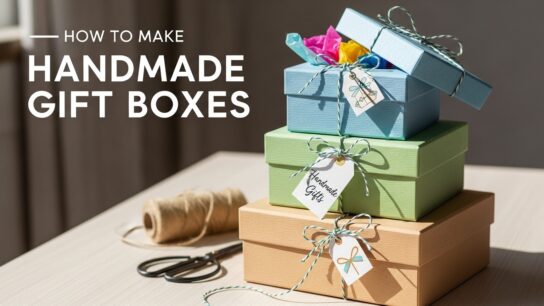
In a world of mass-produced items, the charm of a handmade gift holds a special place. It speaks volumes about the giver’s thoughtfulness and effort, making the present even more meaningful. And what better way to complement a heartfelt gift than with a beautifully crafted, handmade gift box? This comprehensive guide will delve into the art of creating unique and personalized gift boxes, covering everything from essential materials and step-by-step instructions to the pros and cons of handmade boxes, customer reviews, and frequently asked questions.
Why Choose Handmade Gift Boxes?
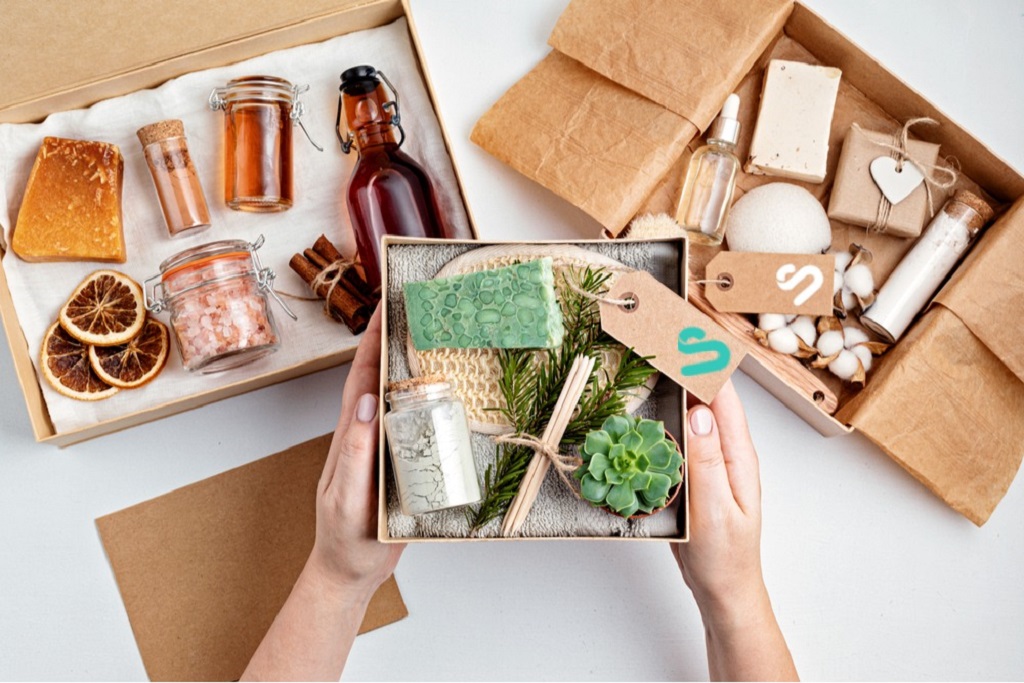
Before we jump into the “how-to,” let’s explore why handmade gift boxes are gaining popularity:
- Personalization: Unlike store-bought boxes, handmade ones allow you to tailor the size, shape, design, and embellishments to perfectly match the gift and the recipient’s personality.
- Uniqueness: Each handmade box is one-of-a-kind, reflecting your creativity and making the gift presentation truly special.
- Thoughtfulness: The time and effort invested in creating a handmade box demonstrate your care and consideration, making the gift even more valuable.
- Sustainability: By repurposing materials like cardboard or using eco-friendly paper, you can contribute to reducing waste and promoting sustainable practices.
- Cost-effectiveness: Depending on the materials you choose, making your own gift boxes can be more economical than buying pre-made ones, especially for bulk gifting.
Materials You’ll Need
To embark on your gift box-making journey, gather the following essential materials:
- Cardboard or sturdy paper: This will form the base of your box. Choose a thickness appropriate for the size and weight of your gift.
- Decorative paper: This can be wrapping paper, scrapbook paper, fabric scraps, or any material that adds aesthetic appeal.
- Ruler or measuring tape: Essential for accurate measurements and ensuring the box’s proportions are correct.
- Pencil: For marking measurements and sketching designs.
- Scissors or craft knife: For cutting the cardboard and decorative paper.
- Glue or double-sided tape: To assemble the box and secure the decorative paper.
- Embellishments: Ribbons, buttons, beads, lace, dried flowers, stickers, or any other decorative items to personalize your box.
Step-by-Step Guide to Creating a Basic Gift Box
- Measure and cut: Determine the desired dimensions of your box, considering the size of your gift. Using the ruler and pencil, mark the measurements on the cardboard. Cut along the marked lines using scissors or a craft knife.
- Score the folds: To create clean and crisp folds, lightly score along the lines where the sides of the box will meet. This can be done using a ruler and the blunt edge of scissors or a scoring tool.
- Assemble the box: Fold the cardboard along the scored lines to form the sides of the box. Apply glue or double-sided tape to the edges and secure them together to create the box structure.
- Decorate the box: Cut the decorative paper to a size slightly larger than the box’s surface. Apply glue or double-sided tape to the back of the decorative paper and carefully adhere it to the box, ensuring a smooth and even finish.
- Add embellishments: Unleash your creativity and personalize the box with embellishments. Tie ribbons around the box, glue on buttons or beads, add lace or dried flowers, or use stickers to create a unique design.
Advanced Techniques and Designs
Once you’ve mastered the basic gift box, explore these advanced techniques and designs to elevate your creations:
- Lidded boxes: Create boxes with separate lids for a more polished look.
- Drawer boxes: Design boxes with pull-out drawers for a fun and interactive element.
- Shaped boxes: Experiment with different shapes like hearts, stars, or pyramids to add visual interest.
- Origami boxes: Explore the art of origami to create intricate and unique box designs.
- Window boxes: Cut out windows on the box lid and cover them with transparent material to showcase the gift inside.
Pros and Cons of Handmade Gift Boxes
Pros:
- Personalization and uniqueness
- Thoughtfulness and sentimental value
- Customization to match the gift and recipient
- Potential cost-effectiveness
- Environmentally friendly options
Cons:
- Time-consuming process
- Requires some crafting skills
- Potential for mistakes and imperfections
- May not be suitable for very large or heavy gifts
- Storage space required for materials
Customer Reviews
“I loved the personal touch of making my own gift boxes. It made the gifts feel so much more special!” – Sarah J.
“It was a fun and creative project, and I saved money on buying boxes.” – Michael B.
“The instructions were easy to follow, and the results were impressive.” – Emily L.
“It took some time, but the effort was worth it to see the smiles on the recipients’ faces.” – David K.
Frequently Asked Questions
Q: What type of cardboard is best for making gift boxes?
A: Thicker cardboard, like that from shipping boxes or packing materials, is ideal for sturdier boxes. For smaller, lighter gifts, thinner cardboard or card stock can be used.
Q: Where can I find decorative paper for my gift boxes?
A: Craft stores, art supply stores, and even some bookstores offer a wide variety of decorative paper options. You can also use wrapping paper, fabric scraps, or even old maps or newspapers for a unique touch.
Q: How can I make my gift boxes more eco-friendly?
A: Use recycled cardboard or paper, choose eco-friendly glues and inks, and avoid excessive embellishments. You can also encourage recipients to reuse the boxes.
Q: What if I’m not crafty?
A: Start with simple designs and gradually work your way up to more complex ones. There are plenty of tutorials and resources available online to guide you through the process.
Q: Can I make gift boxes for all occasions?
A: Absolutely! Handmade gift boxes are suitable for birthdays, holidays, weddings, anniversaries, or any occasion where you want to add a personal touch to your gift-giving.
Tips for Success
- Plan ahead: Before you start, sketch out your design and gather all the necessary materials.
- Take your time: Don’t rush the process. Enjoy the creative journey and pay attention to detail.
- Practice makes perfect: The more you make gift boxes, the better you’ll become.
- Don’t be afraid to experiment: Try different techniques, materials, and embellishments to create unique designs.
- Have fun! Gift box making should be an enjoyable and rewarding experience.
Conclusion
Handmade gift boxes offer a unique and personalized way to present your gifts, adding an extra layer of thoughtfulness and care. Whether you’re a seasoned crafter or a beginner, this guide provides you with the knowledge and inspiration to create beautiful and memorable gift boxes for any occasion. So, gather your materials, unleash your creativity, and start crafting!
Read More:
Unique and Creative Ways to Wrap Presents
How to Create a 3D-Printed Customizable Gift
Personalized Gifts for Coffee Lovers