Subscription boxes have become a cultural phenomenon, delivering curated experiences directly to consumers’ doorsteps. For teenagers, these boxes offer a unique blend of entertainment, education, and personalization, catering to their diverse interests and developmental needs. This article delves into the history, current state, key concepts, benefits, challenges, and future trends of subscription boxes designed for teens, providing a thorough analysis for enthusiasts and newcomers alike. With a review of popular options, a proven method for evaluating value, and answers to frequently asked questions, this exploration aims to inform and inspire.
History of Subscription Boxes for Teens
Origins of the Subscription Box Model
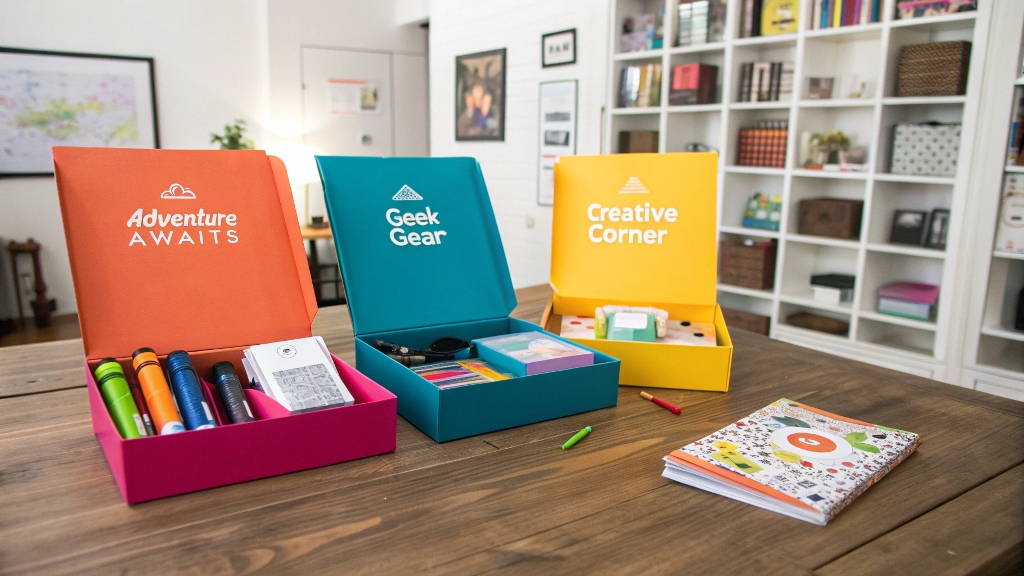
The subscription box industry emerged in the early 2010s, driven by the rise of e-commerce and a growing consumer desire for convenience and personalization. Companies like Birch box (2010) and Dollar Shave Club (2011) pioneered the model, focusing on adults with beauty and grooming products. The success of these early ventures inspired entrepreneurs to target niche markets, including teenagers.
-
Early Influences: The concept of subscription services dates back to magazine subscriptions and book-of-the-month clubs, which provided regular deliveries of curated content.
-
Digital Catalyst: The proliferation of online shopping and social media in the 2000s enabled companies to market directly to teens, leveraging platforms like Instagram and YouTube.
-
Teen-Focused Boxes: By 2015, brands like Owl Crate and Loot Crate began offering boxes tailored to teens, focusing on books, pop culture, and gaming.
Evolution and Market Growth
The teen subscription box market grew rapidly as companies recognized the spending power and influence of Gen Z. Boxes diversified to include STEM kits, art supplies, self-care products, and cultural exploration, reflecting teens’ varied interests.
-
Market Expansion: By 2020, the global subscription box market was valued at $15 billion, with teen-focused boxes carving out a significant niche.
-
Cultural Shifts: Teens’ increasing engagement with social media and desire for unique, shareable experiences fueled demand for curated boxes.
-
Pivotal Moments: The COVID-19 pandemic (2020–2022) accelerated growth, as parents sought engaging at-home activities for teens during lockdowns.
Current State of Teen Subscription Boxes
Market Overview
Today, the teen subscription box market is vibrant and competitive, with hundreds of options catering to diverse interests. From book clubs to coding kits, these boxes are designed to entertain, educate, and inspire.
-
Popular Categories:
-
Literacy and Books: Owl Crate and FairyLoot deliver young adult novels with themed merchandise.
-
STEM and Coding: KiwiCo and MEL Science offer hands-on experiments and coding projects.
-
Self-Care and Beauty: Ipsy and FabFitFun provide skincare, makeup, and wellness products.
-
Pop Culture and Fandom: Loot Crate and Funko deliver collectibles tied to movies, games, and comics.
-
Cultural and History: History Unboxed and Little Global Citizens focus on global cultures and historical themes.
-
-
Pricing Range: Boxes typically cost $15–$50 per month, with discounts for longer subscriptions.
-
Demographics: Primarily aimed at ages 13–18, with some boxes offering “tween” or “young adult” variations.
Consumer Trends
Teens and parents value boxes that align with personal interests, promote learning, and offer social media-worthy unboxing experiences.
-
Personalization: Many services allow customization based on preferences, such as genre or skill level.
-
Sustainability: Eco-conscious brands like Green Kid Crafts emphasize recyclable materials and ethical sourcing.
-
Digital Integration: Some boxes include access to apps or online communities for extended engagement.
Table: Comparison of Popular Teen Subscription Boxes
|
Box Name |
Category |
Price (Monthly) |
Key Features |
Target Age |
|---|---|---|---|---|
|
OwlCrate |
Books |
$32.99 |
YA novel, signed bookplate, themed merchandise |
14–18 |
|
KiwiCo Eureka Crate |
STEM/Crafts |
$29.95 |
Engineering projects, detailed instructions |
14+ |
|
Ipsy Glam Bag |
Beauty |
$13 |
5 personalized beauty products |
13–18 |
|
History Unboxed |
History |
$34.99 |
Crafts, artifacts, historical narratives |
13–18 |
|
Loot Crate |
Pop Culture |
$24.99 |
Collectibles, apparel, fandom-themed items |
14+ |
Key Concepts in Teen Subscription Boxes
Curation and Personalization
Curation is the cornerstone of subscription boxes, ensuring each delivery feels tailored and exciting. For teens, personalization enhances engagement by aligning with their evolving identities.
-
Data-Driven Selection: Companies use quizzes or profiles to customize boxes based on interests, such as favorite genres or hobbies.
-
Surprise Element: The “mystery” aspect of unboxing appeals to teens, fostering anticipation and excitement.
-
Feedback Loops: Subscribers can rate items to refine future selections, improving satisfaction.
Educational Value
Many teen boxes emphasize learning, blending fun with skill-building to appeal to parents and educators.
-
Hands-On Learning: STEM and history boxes promote critical thinking and creativity through projects like building circuits or crafting historical artifacts.
-
Soft Skills: Activities like cooking or journaling foster independence, problem-solving, and emotional resilience.
-
Curriculum Alignment: Some boxes, like Mysteries in Time, align with school standards to support academic goals.
Community and Social Engagement
Subscription boxes often extend beyond physical products, creating digital communities where teens can connect.
-
Online Platforms: Brands like OwlCrate host Discord servers or Instagram challenges to encourage interaction.
-
Social Media Appeal: Unboxing videos on TikTok and YouTube amplify the experience, making it a social event.
-
Inclusivity: Boxes celebrating diverse cultures or identities help teens feel seen and connected.
Benefits of Subscription Boxes for Teens
Educational Enrichment
Subscription boxes provide hands-on learning opportunities that complement traditional education.
-
Skill Development:
-
STEM Skills: Coding and engineering projects enhance technical proficiency.
-
Cultural Awareness: Boxes like Little Global Citizens teach geography and empathy through cultural immersion.
-
Literacy: Book boxes improve reading comprehension and critical thinking.
-
-
Engagement: Interactive projects increase retention compared to passive learning.
-
Accessibility: Boxes bring high-quality resources to teens in remote or underserved areas.
Emotional and Social Growth
These boxes support teens’ mental health and social development during a critical life stage.
-
Self-Expression: Beauty and art boxes allow teens to explore their identities creatively.
-
Confidence Building: Completing projects fosters a sense of accomplishment.
-
Community Connection: Online forums reduce isolation, especially for teens with niche interests.
Convenience and Value
For parents, subscription boxes offer a hassle-free way to provide enriching activities.
-
Time-Saving: Curated deliveries eliminate the need to research or shop for activities.
-
Cost-Effective: Bundled products often provide better value than individual purchases.
-
Flexibility: Most services allow easy cancellation or pausing, accommodating busy schedules.
Challenges of Subscription Boxes for Teens
Cost and Accessibility
While appealing, subscription boxes can be expensive, limiting access for some families.
-
Price Barriers: Monthly costs of $20–$50 add up, especially for multi-child households.
-
Economic Disparities: Low-income teens may miss out on enriching experiences.
-
Solutions: Some brands offer scholarships or one-time purchase options to improve access.
Oversaturation and Quality Control
The crowded market has led to inconsistent quality and overlap in offerings.
-
Repetitive Content: Similar boxes may deliver redundant items, reducing excitement.
-
Quality Issues: Low-cost boxes sometimes include cheap or irrelevant products.
-
Consumer Fatigue: Teens may lose interest if boxes fail to innovate or align with trends.
Environmental Impact
The packaging and shipping of subscription boxes raise sustainability concerns.
-
Waste Generation: Cardboard, plastic, and filler materials contribute to landfill waste.
-
Carbon Footprint: Frequent deliveries increase transportation emissions.
-
Industry Response: Brands like KiwiCo are adopting eco-friendly packaging, but progress is uneven.
Digital Overload
While digital integration enhances engagement, it can exacerbate screen time concerns.
-
Balancing Act: Parents worry about excessive device use tied to apps or online communities.
-
Mental Health Risks: Social media engagement may increase anxiety or comparison.
-
Mitigation: Boxes emphasizing offline activities, like crafts, help maintain balance.
Future Trends in Teen Subscription Boxes
Hyper-Personalization
Advancements in AI and data analytics will enable even more tailored experiences.
-
Predictive Algorithms: Machine learning will anticipate teens’ evolving interests based on behavior.
-
Dynamic Customization: Boxes may adjust contents in real-time, reflecting seasonal or cultural trends.
-
Example: A beauty box could adapt to a teen’s skincare needs based on weather or feedback.
Integration with Emerging Technologies
Augmented reality (AR) and virtual reality (VR) will enhance interactivity.
-
AR Instructions: STEM boxes could use AR to guide teens through complex projects.
-
VR Experiences: History boxes might offer virtual tours of ancient sites.
-
Gamification: Boxes may incorporate game-like challenges to boost engagement.
Focus on Mental Health and Wellness
As teen mental health concerns grow, boxes will prioritize emotional well-being.
-
Mindfulness Kits: Boxes with journaling prompts, meditation tools, or art therapy activities.
-
Inclusivity: Products celebrating diverse identities to foster self-acceptance.
-
Research-Backed Design: Collaboration with psychologists to address anxiety and depression.
Sustainability and Ethical Practices
Eco-conscious teens will drive demand for sustainable boxes.
-
Zero-Waste Goals: Fully recyclable or compostable packaging.
-
Ethical Sourcing: Transparency in supply chains to appeal to socially aware teens.
-
Carbon Offsets: Companies may invest in environmental initiatives to offset emissions.
Review of Top Teen Subscription Boxes
OwlCrate
-
Pros: High-quality books, exclusive editions, vibrant community.
-
Cons: Higher price point, limited genre variety.
-
Best For: Avid readers who love fantasy and YA fiction.
KiwiCo Eureka Crate
-
Pros: Durable projects, clear instructions, promotes engineering skills.
-
Cons: Projects may be too advanced for younger teens.
-
Best For: Teens interested in hands-on STEM activities.
Ipsy Glam Bag
-
Pros: Affordable, personalized, introduces new brands.
-
Cons: Sample sizes may disappoint some users.
-
Best For: Teens exploring beauty and self-care.
History Unboxed
-
Pros: Educational, engaging crafts, diverse historical themes.
-
Cons: Niche appeal may not suit all teens.
-
Best For: History buffs and curious learners.
Proven Method for Evaluating Subscription Box Value
To ensure a subscription box is worth the investment, use this structured evaluation method:
-
Assess Alignment with Interests:
-
Match the box’s theme to the teen’s hobbies or goals.
-
Example: A coding enthusiast would benefit from a STEM box like CodeSpark.
-
-
Calculate Cost Per Item:
-
Divide the monthly price by the number of items to estimate value.
-
Compare to retail prices of similar products.
-
-
Evaluate Educational Impact:
-
Check for skill-building activities or curriculum alignment.
-
Prioritize boxes with long-term benefits, like critical thinking.
-
-
Check Flexibility:
-
Confirm options to pause, cancel, or customize subscriptions.
-
Look for sibling add-ons or one-time purchases.
-
-
Research Reviews:
-
Read user feedback on platforms like Reddit or Trustpilot.
-
Watch unboxing videos to gauge quality and excitement.
-
Example Calculation:
-
Box: KiwiCo Eureka Crate ($29.95/month)
-
Items: 1 project kit, 1 instruction booklet, 2–3 small tools
-
Estimated Retail Value: $40–$50
-
Value Assessment: Worthwhile if the teen enjoys engineering and completes the project.
Read More Also: Teen Experience Gift Subscription Box: A Comprehensive Guide
5 FAQs About Teen Subscription Boxes
1. What are the benefits of subscription boxes for teens?
Subscription boxes foster creativity, education, and emotional growth through curated, hands-on activities tailored to teens’ interests.
2. How much do teen subscription boxes typically cost?
Prices range from $13–$50 per month, with discounts for longer commitments. Beauty boxes like Ipsy are often cheaper, while STEM or history boxes may cost more.
3. Can I customize a subscription box for my teen?
Many services offer personalization through quizzes or profiles, allowing teens to specify preferences like book genres or beauty needs.
4. Are subscription boxes environmentally friendly?
Some brands use recyclable packaging, but waste remains a concern. Look for companies with sustainability commitments, like Green Kid Crafts.
5. How do I know if a subscription box is worth the price?
Evaluate the box’s alignment with interests, cost per item, educational value, and flexibility. Check reviews and unboxing videos for insights.
Read More Also: Personalized Constellation Gifts: Meaning Beyond the Stars
Conclusion
Subscription boxes for teens are more than just a trend—they’re a dynamic tool for education, self-expression, and connection. From their roots in the early 2010s to their current diversity, these boxes have evolved to meet the needs of a digitally savvy, socially conscious generation. While challenges like cost and sustainability persist, the benefits of skill-building, emotional growth, and convenience make them a compelling choice for families. Looking ahead, innovations in personalization, technology, and wellness promise to keep teen subscription boxes relevant and exciting. By carefully selecting boxes that align with a teen’s passions and values, parents and teens can unlock a world of discovery delivered right to their doorstep.