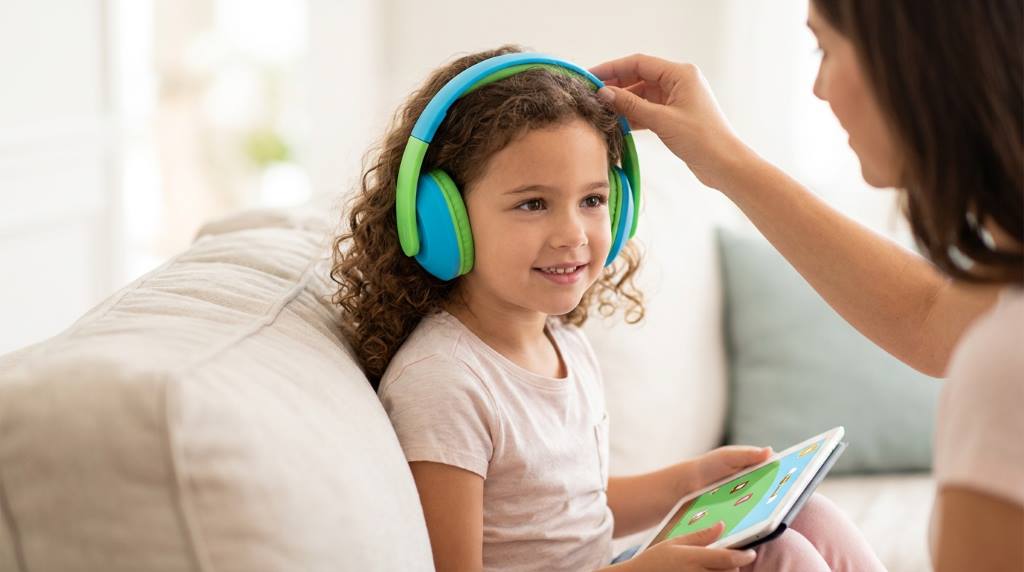
Protecting children’s hearing is a growing concern in our noisy world. Studies show that over 1.1 billion young people risk hearing loss due to unsafe listening habits. Noise cancelling headphones for kids offer a solution by reducing background noise without high volumes. Parents can now ensure safer listening experiences for their little ones.
These devices help kids focus on audio at lower volumes. This reduces the need to turn up the sound to dangerous levels. Experts recommend limiting exposure to loud noises for young ears. Noise cancelling technology can play a key role in achieving this goal.
Understanding Noise Cancelling Technology for Kids
Noise cancelling headphones use microphones to pick up external sounds. They then create opposite sound waves to cancel out unwanted noise. This process allows kids to hear audio clearly at safer volumes. It is especially useful in loud environments like airplanes or busy streets.
Active noise cancellation works best for low frequency sounds. These include engine rumbles or air conditioning hums. Passive noise isolation blocks higher frequency noises through physical design. Both methods help protect young ears from damage.
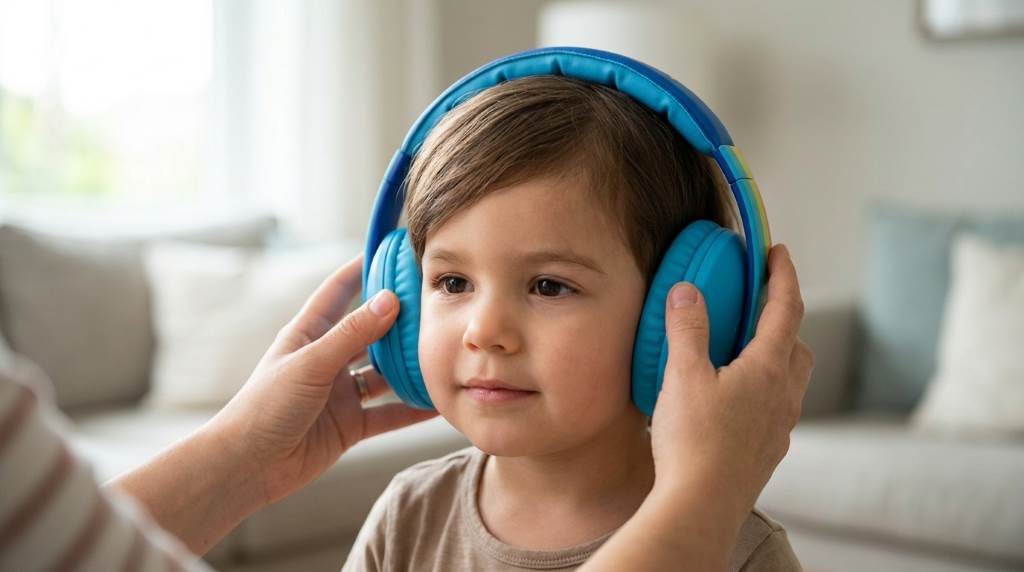
Kids’ headphones often use a mix of both technologies. This combination provides better protection across different noise types. Parents should look for models designed specifically for children’s smaller heads. Proper fit ensures maximum noise reduction and comfort.
Why Kids Need Special Hearing Protection
Children’s ears are more sensitive than adults to loud sounds. Their ear canals are smaller and more delicate. This makes them more vulnerable to hearing damage from prolonged noise exposure. Even moderate noise levels can cause harm over time.
The World Health Organization warns about the risks of recreational noise. Many toys and devices exceed safe sound limits for kids. Noise cancelling headphones can help mitigate these risks. They allow children to enjoy audio at safer levels.
Hearing loss in children can affect speech and language development. It may also impact academic performance and social interactions. Early protection helps prevent long term consequences. Parents should prioritize hearing safety from an early age.
Choosing the Right Noise Cancelling Headphones for Kids
Look for headphones with volume limiting features. These cap the maximum output at safe levels for children. The American Academy of Pediatrics recommends 85 decibels as a safe limit. Some models go even lower for extra protection.
Comfort is crucial for kids’ headphones. Choose lightweight models with adjustable headbands. Soft ear cushions prevent discomfort during long wearing periods. Wireless options reduce the risk of tangling or tripping hazards.
Battery life matters for noise cancelling features. Some models offer 20 hours or more of playtime. Others have quick charge capabilities for busy families. Consider models with both wired and wireless options for versatility.
Durability is important for children’s accessories. Look for headphones with reinforced hinges and tangle free cables. Some brands offer water resistant or foldable designs. These features help withstand the rigors of daily use by kids.
Top Features to Look For
Volume limiting is the most important safety feature. It prevents accidental exposure to dangerous sound levels. Some headphones allow parents to set custom volume limits. This provides additional control over listening safety.
Active noise cancellation should be adjustable. This allows kids to stay aware of their surroundings when needed. Some models have transparency modes for this purpose. These let external sounds pass through when activated.
Built in microphones enable hands free calling and voice assistant access. This can be useful for educational purposes. Some models include parental controls through companion apps. These allow monitoring of listening habits and settings.
Comfort features like memory foam ear cushions make long wearing sessions pleasant. Breathable materials prevent overheating during extended use. Lightweight designs reduce strain on young necks and heads.
Setting Safe Listening Habits for Children
Establish clear rules about headphone use duration. Experts recommend the 60/60 rule for kids. This means listening at 60% volume for no more than 60 minutes at a time. Regular breaks help prevent hearing fatigue.
Encourage children to take listening breaks every hour. This gives their ears time to recover from sound exposure. Parents should model healthy listening habits themselves. Kids often mimic adult behaviors and routines.
Monitor the volume levels of all devices your child uses. Many smartphones and tablets have built in volume limiters. Use these features to create additional layers of protection. Regularly check that settings remain at safe levels.
Educate children about the importance of hearing protection. Explain how loud noises can cause permanent damage. Teach them to recognize when sounds are too loud. This awareness helps them make safer choices independently.
Creating a Safe Listening Environment
Designate quiet areas for headphone use at home. This reduces the need for high volume levels. Background noise often prompts kids to turn up the sound. A calm environment encourages safer listening habits.
Use noise cancelling headphones during travel or in noisy public places. These situations often expose children to dangerous sound levels. The technology helps maintain safer listening conditions. It also reduces stress from overwhelming noise.
Combine headphone use with other hearing protection methods. Earplugs can provide additional safety in extremely loud environments. This layered approach offers maximum protection for young ears. It is especially important during concerts or sporting events.
Regularly check your child’s headphones for wear and tear. Damaged cables or speakers can affect sound quality. This may lead to unsafe volume adjustments. Replace any headphones that show signs of damage.
Unique Considerations for Different Environments
In urban areas with high traffic noise, noise cancelling helps kids focus. This is particularly valuable during homework or reading time. The technology creates a quieter space for concentration. It reduces the need for high volume audio.
For families in hot climates, choose breathable headphone materials. Some models feature moisture wicking fabrics. These prevent discomfort during extended use in warm weather. Ventilation helps maintain comfort in humid conditions.
In rural areas with nature sounds, passive noise isolation may suffice. The natural environment often provides a quieter backdrop. Active noise cancellation may not be as necessary. However, it can still help during travel or indoor activities.
During air travel, noise cancelling headphones are particularly valuable. They reduce engine noise that can reach harmful levels. This allows kids to watch movies or listen to music at safer volumes. The technology makes long flights more comfortable for young travelers.
Common Mistakes to Avoid With Kids’ Headphones
Never allow children to share headphones with others. This can expose them to higher sound levels. It also increases the risk of spreading germs. Each child should have their own properly fitted pair.
Avoid using adult headphones for children. These are often too large and heavy for young users. Improper fit reduces noise cancellation effectiveness. It may also cause discomfort during extended use.
Do not rely solely on volume limiting features. Parents should still monitor listening habits. Some children may find ways to bypass safety settings. Regular supervision ensures continued protection.
Never use noise cancelling headphones in situations requiring situational awareness. Kids should remove them when crossing streets or in potentially dangerous areas. Safety always comes before convenience or entertainment.
Do not ignore signs of hearing problems in your child. These may include asking for repetition or turning up volumes. Regular hearing checks can catch issues early. Address any concerns with a healthcare professional.
Innovative Uses of Noise Cancelling Headphones for Kids
These devices can help children with sensory processing disorders. They reduce overwhelming auditory stimuli in busy environments. This can make public outings less stressful. Many therapists recommend them for children with autism.
Noise cancelling headphones aid in creating focused learning environments. They help block distractions during homework or study time. This is particularly valuable for children with attention difficulties. The technology supports better concentration and academic performance.
Some models include educational features like language learning modes. These can enhance the learning experience for young users. The focused audio environment supports better comprehension. This makes them valuable tools for education.
For children with anxiety, noise cancelling headphones provide comfort. They create a controlled auditory space in overwhelming situations. This can help manage stress in noisy or crowded places. The sense of control reduces anxiety levels.
Maintaining and Caring for Kids’ Headphones
Clean headphones regularly with a soft damp cloth. Avoid using harsh chemicals that may damage materials. Pay special attention to ear cushions and headbands. Regular cleaning extends the life of the device.
Store headphones in a safe place when not in use. Use the provided case if available. This prevents damage from falls or crushing. Proper storage also reduces the risk of tangling cables.
Check cables and connections periodically for wear. Frayed wires can affect sound quality and safety. Replace any damaged components immediately. Regular inspections help maintain optimal performance.
Teach children to handle their headphones with care. Show them how to properly put them on and take them off. Demonstrate how to adjust the headband and ear cups. This education helps prevent accidental damage.
Expert Recommendations for Parents
Consult with an audiologist for personalized advice. They can recommend specific models based on your child’s needs. Professional guidance ensures the best protection for young ears. Regular hearing tests help monitor auditory health.
Stay informed about the latest safety standards for children’s audio devices. Organizations like the WHO provide updated guidelines. These help parents make informed decisions. Knowledge empowers better protection choices.
Join parent communities to share experiences and recommendations. Online forums often discuss specific headphone models. Real world feedback helps identify the best options. Collective knowledge benefits all families.
Consider your child’s specific needs when selecting headphones. Age, interests, and usage patterns all play a role. The right choice balances safety, comfort, and functionality. Personalized selection ensures better protection and satisfaction.
Conclusion
Protecting children’s hearing requires proactive measures in our noisy world. Noise cancelling headphones for kids offer valuable protection. They allow safe listening experiences in various environments. Parents play a crucial role in establishing healthy habits.
Choose the right headphones with safety features and proper fit. Set clear rules about usage duration and volume levels. Monitor listening habits and maintain the devices properly. These steps help safeguard young ears.
Remember that hearing protection is an ongoing process. Regular check ups and open communication are essential. Stay informed about new technologies and safety standards. Your efforts today will benefit your child’s auditory health for years to come.
Take action now to protect your child’s hearing. Invest in quality noise cancelling headphones designed for kids. Establish safe listening habits early. Your child’s future hearing health depends on the choices you make today.
FAQ
At what age can children start using noise cancelling headphones?
Most experts recommend waiting until at least age 3 for noise cancelling headphones.
How do I know if my child’s headphones are too loud?
If you can hear the audio while standing next to your child, it is likely too loud.
Can noise cancelling headphones completely block all sounds?
No, they reduce but do not completely eliminate all external noises.
Are wireless noise cancelling headphones safe for kids?
Yes, as long as they have volume limiting and are used according to guidelines.
How often should I replace my child’s noise cancelling headphones?
Replace them when they show signs of wear or every 1-2 years for optimal protection.