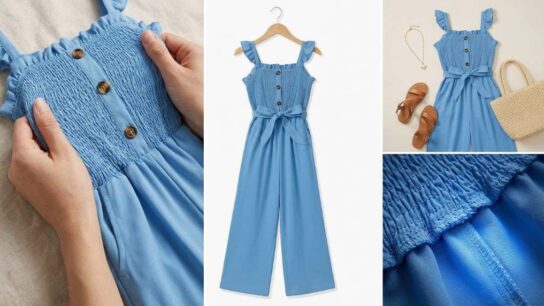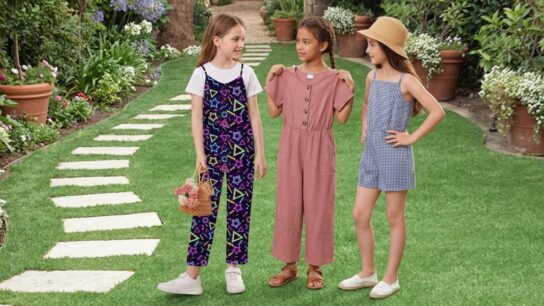
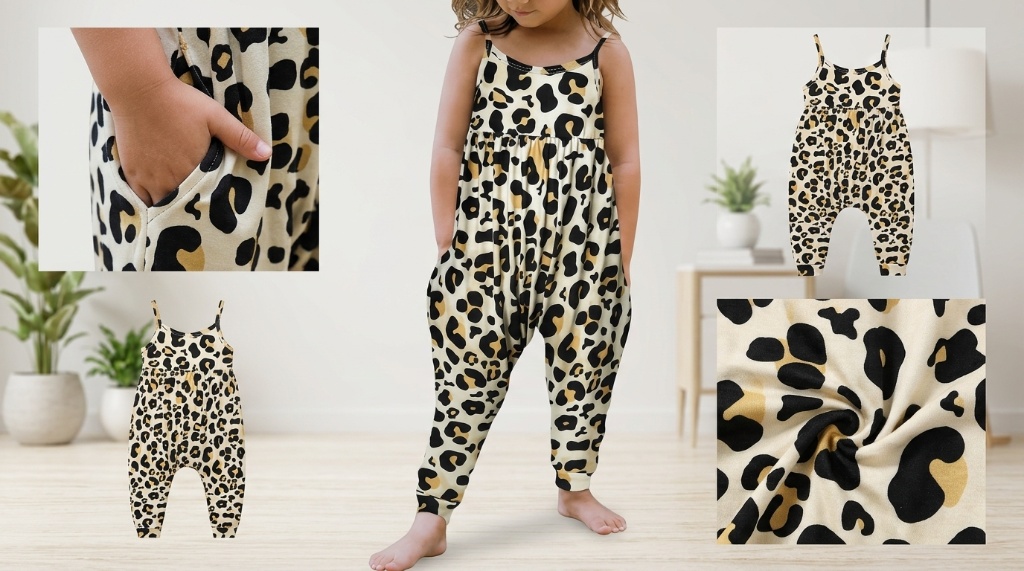
Choosing a Yousie Toddler Girls Romper comes down to four checks: correct sizing for her current height and weight, soft breathable fabric, easy diaper access, and safe snap or zipper placement. Start with the size chart instead of her age, then confirm the fabric blend and closure style before you buy. Parents often grab a cute print first and regret it later when the fit pinches or the snaps fight back during changes. A quick review of the Yousie Toddler Girls Romper details helps you match the style to your daily routine. From there, the right pick becomes simple.
Pick a Yousie Toddler Girls Romper by matching the size chart to your toddler’s current height and weight, not her age. Choose soft cotton or cotton-blend fabric for breathability. Look for bottom snaps or a two-way zipper for easy diaper changes. Check that the neckline stretches over her head without tugging. Finally, confirm the leg openings sit snug but not tight around her thighs.
Key Takeaways
- Always use the brand’s size chart with height and weight, not age alone.
- Cotton or cotton-rich blends breathe better than polyester-heavy fabrics.
- Bottom snaps and two-way zippers make diaper changes faster and calmer.
- Stretchy necklines prevent tugging and fussing during dressing.
- Wash rompers inside out in cold water to protect prints and seams.
- Buy one size up only if she is between sizes or growing quickly.
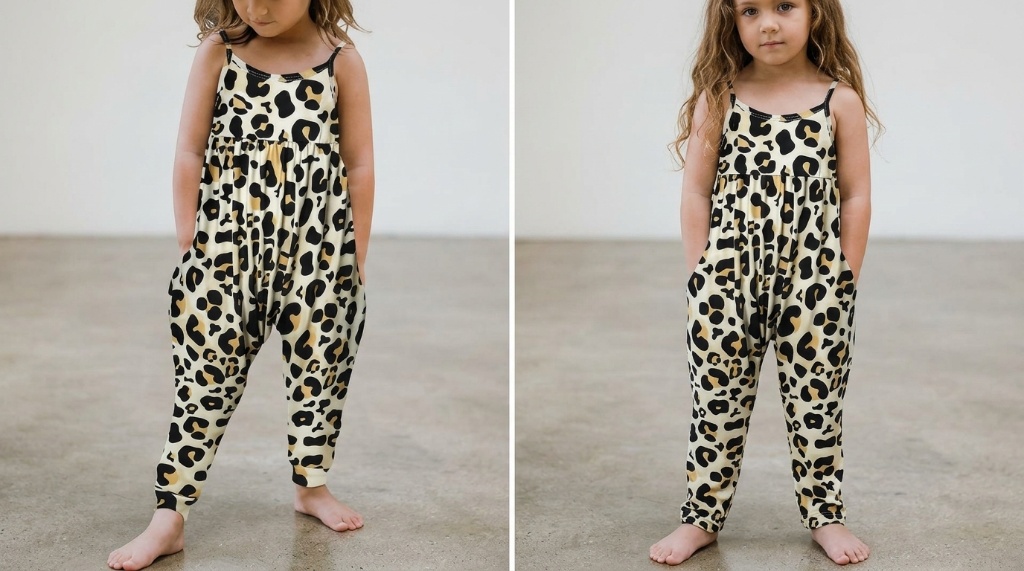
Start With Sizing, Not Age
Size is the single biggest reason a romper gets returned or left in the drawer. Toddler sizes vary widely between brands, and age labels are rough guides at best. Always open the size chart and match her current height and weight to the closest range. If she sits between two sizes, think about how you want the romper to fit. A snug fit works for daily wear, while a slightly looser fit gives room to grow.
Height and Weight Matter More Than Age
A 20-month-old can wear 12-month or 24-month clothing depending on her build. Height usually determines torso length, which affects how the crotch sits. Weight affects how the fabric drapes around her hips and thighs. When these two measurements point to different sizes, follow height for the torso and check the weight range for comfort.
When to Size Up
Size up if your toddler is in the upper half of a weight range or growing fast. You can also size up if you plan to layer the romper over a onesie in cooler weather. However, going two sizes up usually causes sagging at the crotch and slipping straps. One size up is almost always enough.
Fabric Choices That Keep Her Comfortable
Fabric decides how the romper feels after an hour of crawling, running, and snacking. Cotton and cotton-rich blends breathe well and feel soft against sensitive skin. Polyester-heavy fabrics trap heat and can feel clammy in warm rooms. For everyday wear, aim for a cotton content above 90 percent when possible. Stretch comes from a small amount of spandex or elastane, usually 2 to 5 percent.
Seasonal Fabric Differences
Summer rompers often use lightweight cotton or muslin for airflow. Winter versions may add fleece lining or thicker knit for warmth. If you live in a mild climate, a mid-weight cotton knit works year-round. If summers are humid, choose the lightest option you can find.
Skin Sensitivity Considerations
Toddlers with eczema or sensitive skin do better in smooth, tagless cotton. Rough seams and scratchy labels cause irritation during naps. Check the inside of the neckline and the crotch seam for soft finishing. If the fabric feels stiff in your hand, it will likely feel stiff on her skin.
Closures and Diaper Access
Closure design affects how quickly you can change a diaper and how long the romper lasts. Bottom snaps are the most common option and work well for most families. Two-way zippers let you open only the bottom for changes without exposing her chest. Buttons look charming but slow you down during a wiggly change.
Snaps vs. Zippers
Snaps are easy to replace if one breaks and rarely snag fabric. Zippers are faster but can pinch skin if the guard is thin. For nighttime changes, a two-way zipper usually wins. For daytime play, snaps are simple and reliable.
Neckline and Leg Openings
An envelope neckline stretches over the head without pulling. Snaps at the shoulder also help with dressing. Leg openings should sit flat against the thigh without leaving red marks. If the elastic digs in, the size is likely too small.
Safety Checks Before You Buy
Safety features matter more than style for toddlers who explore everything. Loose buttons, decorative beads, and long ribbons can come off and become choking hazards. Check that all snaps and zippers are securely attached. Avoid rompers with drawstrings at the neck, since these pose a strangulation risk.
Snap and Zipper Durability
Metal snaps tend to last longer than plastic ones. Plastic snaps can crack after repeated washing. Zippers should glide smoothly and have a fabric guard behind the teeth. Test the closure gently before the first wear.
Trim and Embellishments
Appliques and embroidered patches should be stitched flat with no loose threads. If you can pull a piece with light pressure, it may not survive a curious toddler. Simple prints are usually safer than glued-on decorations.
Matching the Romper to Your Routine
The best romper fits how you actually use it. A daycare romper needs durability and easy washing. A photo-day outfit can prioritize style and a special print. A sleep romper should be soft, breathable, and free of scratchy seams. Think about where she will wear it most before choosing.
Everyday and Daycare Wear
For daycare, pick darker colors that hide stains and fabric that survives frequent washing. Reinforced snaps and sturdy seams handle daily use better. Skip delicate fabrics that snag on playground equipment.
Special Occasion and Photo Outfits
For birthdays or photos, a dressy romper with ruffles or a bow works well. Just check that any added trim is sewn securely. Comfort still matters, because unhappy toddlers do not pose for long.
Common Mistakes Parents Make
Most romper regrets come from a few predictable choices. Buying by age instead of measurements leads to poor fit. Ignoring fabric content leads to sweaty, itchy toddlers. Choosing style over closure design leads to slow diaper changes.
- Trusting the age label without checking the size chart.
- Buying polyester-heavy fabric for hot weather.
- Choosing buttons when snaps would be faster.
- Ignoring the neckline stretch and struggling with dressing.
- Skipping the pre-wash and shrinking the romper.
- Buying only one size when she is between sizes.
Washing and Care Tips
Proper care keeps the fabric soft and the prints bright. Wash rompers inside out in cold water on a gentle cycle. Cold water reduces shrinking and protects colors. Skip fabric softener, which can coat cotton fibers and reduce breathability.
Drying and Storage
Tumble dry on low or lay flat to dry. High heat shrinks cotton and can warp snaps. Store rompers folded rather than hung, since hangers can stretch the shoulders. Keep them in a dry drawer away from direct sunlight.
Stain Removal Basics
Treat food and diaper stains right away with cold water and mild detergent. Hot water sets protein stains and makes them harder to remove. A gentle oxygen-based cleaner works well on most cotton rompers.
Frequently Asked Questions
What size Yousie Toddler Girls Romper should I buy?
Match her current height and weight to the brand’s size chart, then size up only if she sits between two ranges.
Are Yousie rompers good for summer?
Cotton and cotton-blend versions breathe well in warm weather, while fleece or lined styles suit cooler months.
How do I know if the romper is too tight?
Check for red marks on her thighs, shoulders, or waist after 30 minutes of wear, since those signal a snug fit.
Can I put a romper over a onesie?
Yes, and sizing up one step gives enough room for comfortable layering without pulling at the crotch.
How should I wash a toddler romper?
Wash inside out in cold water on a gentle cycle, then tumble dry low or lay flat to prevent shrinking.
Conclusion
Choosing the right Yousie Toddler Girls Romper comes down to fit, fabric, closures, and safety. Measure her height and weight first, then pick soft breathable cotton with easy diaper access. Check every snap, zipper, and trim piece before the first wear. Wash in cold water to keep the shape and color intact. Before you check out, open the size chart one more time and confirm the fabric content. That quick step saves you a return and keeps her comfortable all day.