
A good night’s sleep is vital for health, yet many struggle with noise disruptions. Studies show that 70% of people experience sleep disturbances due to external sounds. Using the right headphones for sleeping can make a significant difference. These devices help block out unwanted noise while providing soothing audio. Choosing the right pair ensures comfort and enhances sleep quality.
Sleep headphones come in various designs, each suited for different needs. Some prioritize comfort, while others focus on sound isolation. Understanding your preferences helps narrow down the options. This guide will explore key factors to consider when selecting sleep headphones.
Why Use Headphones for Sleeping?
Headphones for sleeping serve multiple purposes beyond just playing music. They can mask disruptive noises like traffic or snoring. Many users find that calming sounds or white noise improve their sleep quality. These devices are especially useful for light sleepers or those in noisy environments.
Research indicates that consistent noise exposure can lead to long-term sleep issues. Sleep headphones provide a controlled audio environment. This helps the brain relax and enter deeper sleep stages. Over time, this can lead to better overall health and well-being.
Key Features to Look For
Comfort and Fit
Comfort is the most important factor when choosing sleep headphones. Look for lightweight materials that do not press too hard on the ears. Over-ear models may feel bulky, while in-ear options can be more discreet. Adjustable headbands ensure a snug yet comfortable fit for all head sizes.
Memory foam ear cushions are a popular choice for extended wear. They conform to the shape of your ears and reduce pressure points. Some models feature flat or slim designs to avoid discomfort when lying down. Always test the fit before committing to a purchase.
Sound Quality and Isolation
Sound quality varies widely among sleep headphones. Noise-canceling models actively block external sounds, creating a peaceful environment. Passive isolation relies on the headphone’s design to muffle noise. Both options have their merits depending on your needs.
For audio quality, look for headphones with a balanced frequency response. This ensures clear highs, mids, and lows without distortion. Some models offer customizable sound profiles to match your preferences. Wireless options provide freedom of movement but may have latency issues.
Battery Life and Connectivity
Battery life is crucial for overnight use. Most wireless sleep headphones offer 8 to 12 hours of playback. Some models include quick-charging features for added convenience. Wired options eliminate battery concerns but may limit mobility.
Bluetooth connectivity is standard for wireless headphones. Ensure the model supports the latest Bluetooth version for stable connections. Some headphones also offer NFC pairing for quick setup. Wired models typically use a 3.5mm audio jack for universal compatibility.
Durability and Build Quality
Sleep headphones endure frequent use and movement. Look for durable materials like reinforced plastics or metals. Sweat-resistant coatings are beneficial for those who move a lot during sleep. Replaceable ear pads extend the lifespan of your headphones.
Check user reviews for insights into long-term durability. Brands with good warranties offer added peace of mind. Regular maintenance, such as cleaning ear pads, keeps headphones in top condition. Proper storage prevents damage when not in use.
Types of Sleep Headphones
Over-Ear Headphones
Over-ear headphones cover the entire ear with cushioned pads. They provide excellent sound isolation and comfort for extended wear. However, their bulkier design may not suit all sleep positions. Some users find them too warm for overnight use.
These headphones are ideal for side sleepers who need extra cushioning. Look for models with breathable materials to reduce heat buildup. Adjustable headbands ensure a secure fit throughout the night. Noise-canceling features enhance their effectiveness in noisy environments.
In-Ear Headphones
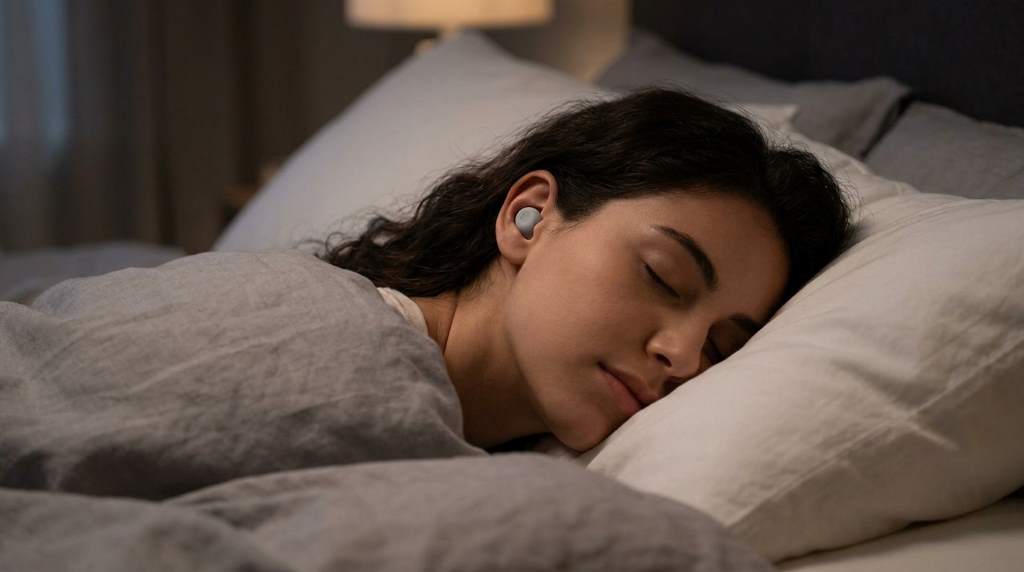
In-ear headphones fit snugly inside the ear canal. They are lightweight and discreet, making them popular for sleep. However, some users may find them uncomfortable for long periods. Proper sizing is essential to avoid pressure points.
These headphones often come with multiple ear tip sizes for a custom fit. Noise isolation is typically good due to their close proximity to the ear. Wireless in-ear models offer freedom of movement but may have shorter battery life. Wired options provide consistent audio without latency.
Bone Conduction Headphones
Bone conduction headphones sit outside the ear and transmit sound through the skull. This design keeps the ear canal open, allowing ambient noise awareness. They are ideal for those who need to stay alert to their surroundings.
These headphones are lightweight and comfortable for extended wear. Sound quality may not match traditional headphones but is improving. They are a great option for side sleepers or those with ear sensitivity. Battery life varies, so check specifications before purchasing.
Sleep-Specific Headphones
Some headphones are designed specifically for sleep. These often feature flat or slim profiles to avoid discomfort when lying down. They may include built-in sleep tracking or relaxation features. Brands like AcousticSheep and BedPhones specialize in this niche.
These models prioritize comfort and durability for overnight use. They often come with soft, breathable materials to prevent overheating. Some include built-in timers to automatically turn off after a set period. This ensures safety and conserves battery life.
Unique Considerations for Sleep Headphones
Temperature Regulation
Overheating can disrupt sleep and cause discomfort. Look for headphones with breathable materials to improve airflow. Memory foam ear pads can trap heat, so consider alternatives like velour or mesh fabrics. Some models include cooling gel inserts for added comfort.
Temperature regulation is especially important for hot sleepers. Lightweight designs reduce heat buildup and improve overall comfort. Check user reviews for insights into how well the headphones handle heat. Proper ventilation extends the lifespan of the materials.
Sleep Position Compatibility
Your sleep position affects headphone choice. Side sleepers need flat or slim designs to avoid pressure on the ears. Back sleepers can use bulkier over-ear models without discomfort. Stomach sleepers may prefer in-ear or bone conduction options.
Adjustable headbands accommodate different head shapes and sizes. Some models offer swiveling ear cups for a custom fit. Testing the headphones in your preferred sleep position ensures long-term comfort. Consider your typical sleep movements when selecting a design.
Audio Content for Sleep
The type of audio content matters for sleep quality. White noise or nature sounds can mask disruptive noises effectively. Some headphones come with pre-loaded relaxation tracks or app integrations. Customizable playlists allow you to tailor the audio to your preferences.
Binaural beats and ASMR are popular choices for sleep enhancement. These audio types promote relaxation and deep sleep. Some headphones include built-in sleep timers to automatically stop playback. This prevents audio from playing all night and disturbing your rest.
Safety Tips for Using Sleep Headphones
Safety is paramount when using headphones for extended periods. Always follow the manufacturer’s guidelines for usage. Avoid listening at high volumes to protect your hearing. Take regular breaks to prevent ear fatigue or discomfort.
Ensure the headphones are charged before bedtime to avoid interruptions. Keep the volume at a moderate level to remain aware of your surroundings. Wireless models should be kept away from water to prevent damage. Regularly inspect the headphones for signs of wear or damage.
Top Brands and Models
Several brands specialize in sleep headphones. AcousticSheep offers the SleepPhones, a headband with built-in speakers. BedPhones provide a flat, lightweight design for side sleepers. Bose and Sony have noise-canceling models suitable for sleep.
CozyPhones are another popular option with a soft, stretchy headband. Their models include wireless and wired options for versatility. Shokz produces bone conduction headphones ideal for active sleepers. Each brand has unique features to match different needs.
How to Maintain Your Sleep Headphones
Proper maintenance extends the life of your sleep headphones. Clean the ear pads regularly with a damp cloth and mild soap. Avoid using harsh chemicals that can damage the materials. Store the headphones in a dry, cool place when not in use.
Replace ear pads or cushions if they show signs of wear. Check the manufacturer’s guidelines for specific care instructions. Regularly update the firmware for wireless models to ensure optimal performance. Proper care keeps your headphones in top condition for years.
Conclusion
Choosing the right headphones for sleeping involves balancing comfort, sound quality, and safety. Consider your sleep position, audio preferences, and budget when making a decision. Testing different models helps find the perfect fit for your needs.
Investing in high-quality sleep headphones can transform your rest. Prioritize features that match your lifestyle and sleep habits. With the right pair, you can enjoy uninterrupted, restful sleep every night. Start exploring your options today and experience the difference.
FAQ
Are sleep headphones safe for overnight use?
Yes, as long as you follow the manufacturer’s guidelines and keep the volume at a safe level.
Can I use regular headphones for sleeping?
Regular headphones may not be comfortable for extended wear and could cause discomfort.
How do I clean my sleep headphones?
Use a damp cloth with mild soap and avoid harsh chemicals to clean the ear pads.
What is the best type of headphone for side sleepers?
Flat or slim designs, such as in-ear or bone conduction headphones, are ideal for side sleepers.
Do sleep headphones work with sleep tracking apps?
Some models integrate with sleep tracking apps to monitor your rest patterns.