
For those fascinated by the past, finding the perfect gift can be both a challenge and a delight. History buffs, with their passion for ancient civilizations, pivotal events, and cultural artifacts, deserve gifts that reflect their intellectual curiosity and appreciation for the stories that shaped the world. This 2500-word guide explores unique gift ideas for history enthusiasts, delving into their historical context, current trends, benefits, challenges, and future directions. From rare relics to immersive experiences, we’ll cover a wide range of options, complete with a review, a proven method for selecting the ideal gift, and answers to frequently asked questions.
The Historical Context of Gifting for History Buffs
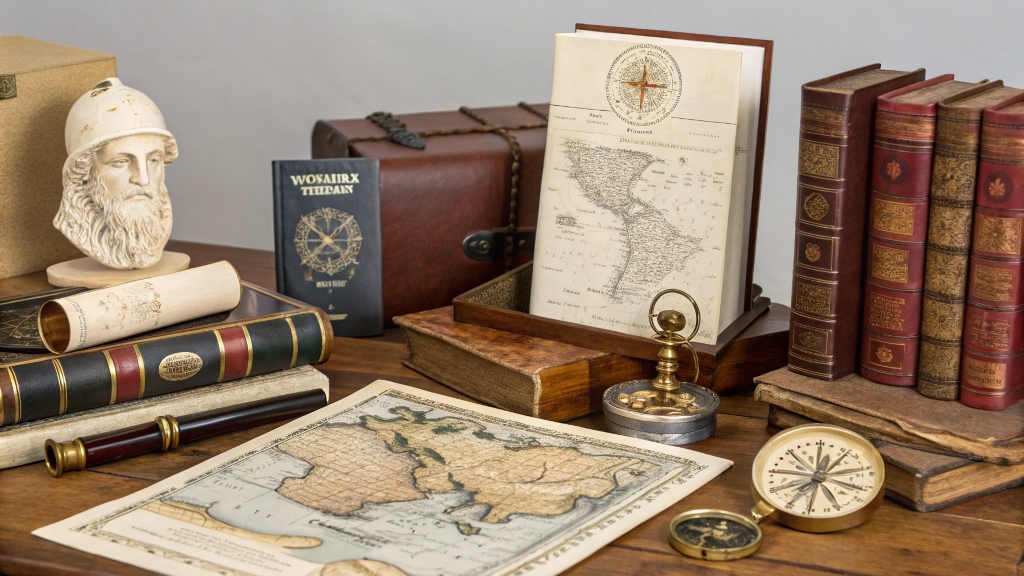
The Evolution of Historical Artifacts as Gifts
Gifting items tied to history is not a modern phenomenon. In ancient societies, rulers exchanged relics, manuscripts, and crafted objects to signify alliances or celebrate victories. For example, during the Roman Empire, coins bearing emperors’ likenesses were gifted to loyal subjects, a practice that continues today with collectible coins.
-
Ancient Practices:
-
Egyptians gifted amulets inscribed with hieroglyphs to honor the gods.
-
Medieval European nobility exchanged illuminated manuscripts as symbols of wealth and learning.
-
-
Modern Adaptations:
-
The 19th century saw a rise in antiquarianism, with wealthy collectors gifting rare books or fossils.
-
Today, replicas and museum-quality artifacts make historical gifts accessible to a broader audience.
-
Why History-Themed Gifts Resonate
History buffs are drawn to tangible connections to the past. Gifts that evoke specific eras or events—such as a replica of a Viking brooch or a book on the French Revolution—offer intellectual stimulation and emotional resonance. These gifts bridge the gap between the present and the past, allowing recipients to feel closer to the events they study.
Current State of Gifts for History Buffs
Popular Categories of History-Themed Gifts
The market for history-themed gifts has expanded significantly, driven by increased interest in genealogy, historical reenactments, and educational entertainment. Below are the most popular categories, each with unique appeal.
-
Artifacts and Replicas:
-
Authentic Relics: Genuine Roman coins or Civil War-era bullets, often sourced from reputable dealers like Etsy or museum shops.
-
Museum-Quality Replicas: High-fidelity reproductions of artifacts, such as a Rosetta Stone tablet or a medieval sword.
-
-
Books and Manuscripts:
-
Primary Sources: Diaries, letters, or translated ancient texts, like Thucydides’ History of the Peloponnesian War.
-
Narrative Histories: Works by authors like Doris Kearns Goodwin or Erik Larson, blending storytelling with rigorous research.
-
-
Games and Puzzles:
-
Historical Board Games: Titles like Twilight Struggle, which simulates the Cold War, or Axis & Allies for WWII enthusiasts.
-
Puzzles: Jigsaw puzzles depicting historical maps or famous paintings, such as the Bayeux Tapestry.
-
-
Experiential Gifts:
-
Museum Memberships: Annual passes to institutions like the Smithsonian or the British Museum.
-
Historical Tours: Guided trips to sites like Pompeii, Gettysburg, or the Pyramids of Giza.
-
-
Wearables and Decor:
-
Themed Apparel: T-shirts with quotes from historical figures or socks patterned with ancient motifs.
-
Home Decor: Framed replicas of historical documents, such as the Magna Carta, or vintage-style maps.
-
Market Trends in 2025
The gift market for history buffs in 2025 reflects a blend of technology and tradition. Digital platforms like Amazon and Etsy offer curated collections, while niche retailers focus on authenticity and craftsmanship. Trending items include:
-
Augmented Reality (AR) Experiences: Apps that overlay historical scenes onto real-world locations, such as walking through a virtual Roman Forum.
-
Personalized Gifts: Custom family crests or 3D-printed models of ancestral villages based on genealogical research.
-
Sustainable Artifacts: Eco-friendly replicas made from recycled materials, appealing to environmentally conscious buyers.
Key Concepts Behind History-Themed Gifts
Authenticity vs. Accessibility
A key consideration when selecting gifts is balancing authenticity with accessibility. Authentic artifacts, like a 4th-century Roman coin, carry immense historical value but may be costly or ethically complex due to looting concerns. Replicas, while less “real,” are widely available and often produced with input from historians to ensure accuracy.
-
Pros of Authentic Artifacts:
-
Direct connection to history.
-
Potential investment value.
-
-
Cons:
-
High cost (e.g., a Roman coin can range from $50 to $500).
-
Ethical concerns about provenance.
-
-
Pros of Replicas:
-
Affordable (e.g., a replica Rosetta Stone for $30).
-
No ethical dilemmas.
-
-
Cons:
-
Lack of historical “aura.”
-
Variable quality depending on the manufacturer.
-
Educational Value
History-themed gifts often serve as learning tools. A book on the Industrial Revolution or a strategy game set during the Napoleonic Wars can deepen a recipient’s understanding of complex events. These gifts encourage active engagement, making them ideal for curious minds.
Benefits of History-Themed Gifts
Intellectual Stimulation
Gifts like historical novels or documentaries challenge recipients to think critically about the past. For example, a subscription to a platform like The Great Courses offers lectures on topics from ancient Mesopotamia to the American Civil War, fostering lifelong learning.
Emotional Connection
Items tied to a recipient’s specific interests—such as a replica of a Spartan helmet for a fan of ancient Greece—create a personal bond. These gifts show thoughtfulness and respect for the recipient’s passions.
Community Building
History buffs often belong to communities, whether online forums or local reenactment groups. Gifts like tickets to a historical conference or a membership to a society (e.g., the American Historical Association) foster connections with like-minded individuals.
Challenges in Selecting History-Themed Gifts
Navigating Niche Interests
History is vast, spanning millennia and continents. A gift that excites a Civil War enthusiast may bore someone focused on ancient Egypt. Researching the recipient’s specific interests is crucial.
-
Solution:
-
Ask subtle questions about their favorite era or figure.
-
Check their bookshelves or social media for clues.
-
Ensuring Quality and Authenticity
Low-quality replicas or poorly researched books can disappoint discerning recipients. For example, a cheaply made “medieval” dagger may lack historical accuracy, undermining its value.
-
Solution:
-
Purchase from reputable sources, such as museum stores or certified dealers.
-
Read reviews to verify quality and authenticity.
-
Budget Constraints
High-end gifts, like a guided tour to Machu Picchu or an original 18th-century map, can cost thousands. Finding meaningful yet affordable options requires creativity.
-
Solution:
-
Opt for subscription services (e.g., History Hit for $6/month).
-
Choose small, high-impact gifts like a historical coin replica.
-
Future Trends in History-Themed Gifts
Technology Integration
Advancements in technology are reshaping historical gifts. Virtual reality (VR) headsets now offer immersive experiences, such as walking through a recreated Versailles or participating in a simulated Viking battle. These tools are expected to become more affordable by 2030, making them mainstream gifts.
Personalization through AI
AI-driven platforms are enabling hyper-personalized gifts. For example, companies can now generate custom historical narratives based on a recipient’s family history, complete with illustrated timelines or 3D-printed artifacts.
Focus on Diversity
The gift market is increasingly highlighting underrepresented histories, such as those of indigenous cultures or marginalized communities. Books and documentaries on topics like African kingdoms or women in the Renaissance are gaining popularity, reflecting a broader, more inclusive view of the past.
Review: Top 5 Unique Gifts for History Buffs in 2025
To provide practical recommendations, we’ve reviewed five standout gifts based on quality, uniqueness, and appeal to history buffs. Each is evaluated for its historical accuracy, presentation, and value.
-
Genuine Roman Coin (Etsy):
-
Description: A 4th-century CE bronze coin, often featuring emperors like Constantine, sourced from reputable dealers.
-
Pros: Authentic, affordable ($50-$100), comes with a certificate of authenticity.
-
Cons: Requires careful storage to prevent degradation.
-
Rating: 4.8/5 for its tangible connection to antiquity.
-
-
The Great Courses Subscription:
-
Description: Access to hundreds of lectures on historical topics, from ancient Egypt to modern geopolitics.
-
Pros: High-quality content, flexible access, budget-friendly ($10/month).
-
Cons: Requires time commitment to fully utilize.
-
Rating: 4.7/5 for its educational depth.
-
-
Historical Map Puzzle (Ravensburger):
-
Description: A 1000-piece puzzle depicting a 17th-century world map, with intricate details.
-
Pros: Engaging, visually stunning, suitable for all ages.
-
Cons: Assembly time may deter some.
-
Rating: 4.5/5 for its blend of fun and learning.
-
-
Smithsonian Museum Membership:
-
Description: Annual pass to Smithsonian museums, with access to exclusive exhibits and events.
-
Pros: Prestigious, supports conservation, offers virtual access.
-
Cons: U.S.-centric, higher cost ($75/year).
-
Rating: 4.6/5 for its prestige and perks.
-
-
Custom Family Crest (Heraldry & Crests):
-
Description: A hand-painted or digital crest based on the recipient’s surname and heritage.
-
Pros: Highly personalized, visually striking.
-
Cons: Research accuracy varies, higher cost ($100+).
-
Rating: 4.4/5 for its unique appeal.
-
|
Gift |
Price Range |
Historical Accuracy |
Engagement Level |
Best For |
|---|---|---|---|---|
|
Roman Coin |
$50-$100 |
High |
Moderate |
Collectors |
|
Great Courses |
$10/month |
High |
High |
Scholars |
|
Map Puzzle |
$20-$30 |
Moderate |
High |
Casual Fans |
|
Smithsonian Membership |
$75/year |
High |
High |
Museum-Goers |
|
Family Crest |
$100-$300 |
Variable |
Moderate |
Genealogy Enthusiasts |
Proven Method: How to Choose the Perfect History-Themed Gift
Selecting the ideal gift requires a structured approach to ensure it aligns with the recipient’s interests and your budget. Follow this proven method:
-
Identify Their Niche:
-
Research their favorite era, event, or figure (e.g., Renaissance, WWII, Cleopatra).
-
Use social media or conversations to uncover preferences.
-
-
Set a Budget:
-
Decide on a range (e.g., $20-$50 for casual gifts, $100+ for premium options).
-
Factor in recurring costs for subscriptions or memberships.
-
-
Prioritize Authenticity:
-
Choose items from trusted sources, like museum shops or certified dealers.
-
Verify reviews for replicas or books to ensure quality.
-
-
Consider Engagement:
-
Match the gift to their lifestyle (e.g., puzzles for hands-on learners, books for readers).
-
Opt for experiential gifts for those who prefer activities over objects.
-
-
Add a Personal Touch:
-
Include a handwritten note explaining the gift’s historical significance.
-
Customize where possible, such as engraving a coin holder or framing a map.
-
This method ensures a thoughtful, impactful gift that resonates with the recipient’s passion for history.
Discover More: Personalized Gifts for Small Business Owners
5 FAQs About Unique Gifts for History Buffs
1. What makes a gift “unique” for a history buff?
A unique gift stands out due to its rarity, personalization, or deep connection to a specific historical period. Examples include authentic artifacts, custom crests, or experiential gifts like historical tours.
2. Are authentic artifacts ethical to gift?
Authentic artifacts can be ethical if sourced from reputable dealers with clear provenance. Avoid items from questionable origins, and consider replicas for guilt-free gifting.
3. How can I find budget-friendly history-themed gifts?
Look for replicas, historical novels, or digital subscriptions like History Hit. Museum gift shops and online platforms like Etsy offer affordable options under $50.
4. What are the best experiential gifts for history buffs?
Museum memberships, guided historical tours, or tickets to reenactments are excellent choices. Virtual reality experiences, such as exploring ancient Rome, are also gaining popularity.
5. How do I ensure a gift aligns with their specific interests?
Research their favorite era or topic through conversations or their collection. Tailor the gift to their niche, such as a book on the Viking Age for a Norse enthusiast.
Read More Also: Beginner-Friendly Handmade Soap Crafting Kits: A Comprehensive Guide
Conclusion
Unique gifts for history buffs offer a window into the past, blending intellectual curiosity with emotional resonance. From authentic Roman coins to immersive VR experiences, the options are as diverse as history itself. By understanding the recipient’s interests, prioritizing authenticity, and leveraging emerging trends like personalization and technology, you can select a gift that inspires and delights. Whether you’re shopping for a scholar, a collector, or a casual enthusiast, this guide provides the tools to make your gift unforgettable.