The teenage years are a whirlwind of self-discovery, evolving interests, and a quest for independence. For autistic teens, this journey is often amplified by unique sensory experiences. Finding the perfect gift isn’t just about what’s trendy; it’s about understanding their individual sensory needs and preferences to offer something truly meaningful, calming, and enjoyable.
This comprehensive guide delves into the world of sensory-friendly gifts, helping you navigate the diverse landscape of autism and select presents that resonate, soothe, and empower. We’ll explore various sensory categories, provide specific gift ideas, and offer crucial considerations to ensure your gift is a resounding success.
Understanding Sensory Sensitivities in Autistic Teens
Before we dive into gift ideas, it’s essential to grasp the spectrum of sensory experiences within autism. Autistic individuals can be:
- Hypersensitive (oversensitive): They may find certain stimuli overwhelming. This could manifest as discomfort with loud noises, bright lights, strong smells, certain textures, or even light touch.
- Hyposensitive (undersensitive): They may seek out more sensory input to feel regulated. This might involve a need for deep pressure, strong flavors, intense visual stimulation, or constant movement.
- Mixed Sensory Profiles: Many autistic teens experience a combination of both hypersensitivities and hyposensitivities across different sensory modalities.
The key to choosing a truly “sensory-friendly” gift lies in observing and, if possible, gently inquiring about the individual’s specific preferences. These observations are invaluable.
The Benefits of Sensory-Friendly Gifts
Beyond the joy of receiving a present, sensory-friendly gifts offer a multitude of benefits for autistic teens:
- Self-Regulation: They provide tools to manage sensory overload, reduce anxiety, and promote a sense of calm.
- Improved Focus and Attention: Appropriate sensory input can help ground individuals, allowing them to concentrate better.
- Emotional Expression: For those who struggle with verbal communication, sensory items can offer an alternative outlet for expressing feelings.
- Enhanced Sensory Processing: Engaging with different sensory experiences in a controlled manner can help individuals integrate and respond to sensory information more effectively.
- Comfort and Security: Certain sensory items, like weighted blankets, can provide a profound sense of comfort and security, similar to a deep hug.
- Skill Development: Many sensory toys and tools can aid in the development of fine and gross motor skills, problem-solving, and even social interaction (e.g., through shared sensory play).
- Independence: Giving teens tools to self-regulate empowers them to manage their own sensory needs, fostering greater independence.
Categories of Sensory-Friendly Gifts for Autistic Teens
Let’s explore gift ideas categorized by sensory input:
-
Tactile (Touch)
Many autistic teens find comfort or stimulation through touch.
- Fidget Toys (Beyond the Spinner!): While fidget spinners were a trend, the world of fidgets is vast. Look for:
- Textured Fidgets: Squishy balls with different nubs, smooth worry stones, soft fabric fidgets, or those with varied textures like silicone or rough surfaces.
- Quiet Fidgets: For school or public settings, consider silent fidgets like fidget cubes with silent switches, interlocking rings, or discrete manipulatives that don’t draw attention.
- Therapy Putty/Dough: Offers resistance and can be molded, pulled, and squeezed for calming tactile input. Consider different firmness levels.
- Kinetic Sand: Provides a unique, mess-free tactile experience that can be incredibly soothing and allow for creative play.
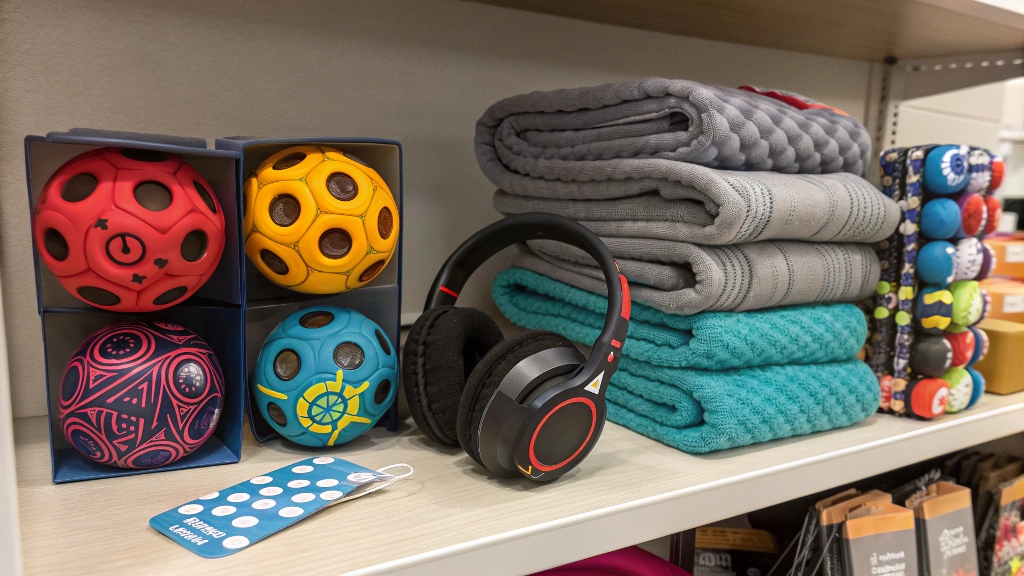
- Weighted Items: These provide deep pressure, which can be profoundly calming and grounding.
- Weighted Blankets: Available in various weights and fabrics. Ensure the weight is appropriate (generally 10% of the individual’s body weight, plus 1-2 pounds, but consult with a professional if unsure).
- Weighted Lap Pads/Stuffed Animals: Portable alternatives for deep pressure on a smaller scale.
- Weighted Vests: Can provide continuous deep pressure throughout the day.
- Textured Clothing/Accessories:
- Sensory-Friendly Clothing: Tag-less shirts, seamless socks, soft bamboo fabrics, or compression clothing can be highly appreciated by those sensitive to textures.
- Soft Scarves or Faux Fur Items: For those who enjoy soft, comforting textures.
-
Auditory (Sound)
Sound sensitivity is common. Gifts can help block out overwhelming noise or provide soothing sounds.
- Noise-Canceling Headphones: A game-changer for many autistic teens. They come in various styles (over-ear, in-ear) and can drastically reduce sensory overload in noisy environments like school, public transport, or crowded spaces.
- Noise-Reducing Earplugs: Discreet options for reducing harsh sounds without completely blocking out all noise, allowing for conversation while still providing relief. Loop Earplugs are a popular brand known for their discreet design and varying levels of noise reduction.
- White Noise Machines/Sound Machines: Offer consistent, soothing background sounds (rain, ocean, nature sounds, fan noise) that can help mask disruptive noises and aid in sleep or concentration.
- Calming Music Devices: Portable speakers with pre-loaded calming music or subscriptions to music streaming services featuring ambient or therapeutic sounds.
-
Visual (Sight)
Visual input can be both overstimulating and understimulating.
- Calming Lights/Projectors:
- Lava Lamps/Bubble Lamps: Offer slow, mesmerizing visual movement that can be very soothing.
- Star Projectors: Transform a room into a calming starry night sky, often with customizable colors and patterns.
- LED Light Strips with Remote Control: Allow for color changes and dimming, creating a personalized ambient lighting experience.
- Sensory Bottles: DIY or pre-made bottles filled with glitter, oil, and water that create a mesmerizing, slow-moving visual display when shaken.
- Visual Fidgets:
- Liquid Motion Timers: Droplets of colored liquid slowly descend, offering a calming and repetitive visual.
- Kaleidoscopes: Provide unique and ever-changing visual patterns.
- Art Supplies: For those who enjoy visual creativity. Consider:
- Adult Coloring Books: Intricate designs can be calming and focus-inducing.
- High-Quality Drawing/Painting Supplies: Allow for self-expression through a visually engaging medium.
- Gel Pens or Fine-Tipped Markers: Provide a smooth, satisfying drawing experience.
-
Proprioceptive & Vestibular (Movement and Body Awareness)
These senses relate to body position, balance, and movement. Gifts that provide deep pressure or movement can be very regulating.
- Sensory Swings:
- Hammock Swings/Cocoon Swings: Offer deep pressure and gentle swinging, providing vestibular input and a calming, contained space. Ensure proper installation and weight limits.
- Therapy Swings: Designed for specific sensory input and can be highly beneficial for self-regulation.
- Exercise Balls/Peanut Balls: Can be used for bouncing, sitting, or deep pressure activities.
- Balance Boards/Wobble Cushions: Promote balance and core engagement, providing subtle movement input.
- Mini Trampoline: For those who need more intense movement input to self-regulate.
-
Oral (Mouth)
- Chewelry: Discreet, wearable chewable jewelry (pendants, bracelets) made from safe, food-grade silicone. Available in various textures and firmness levels.
- Chewy Fidgets: Non-wearable chewable items designed for oral stimulation.
- Strongly Flavored Snacks/Drinks: For those who seek intense taste sensations (e.g., sour candies, spicy snacks, crunchy foods). Always ensure these are safe and appropriate for the individual.
Considerations for Choosing the Perfect Gift
- Individual Preferences are Paramount: This cannot be stressed enough. What is sensory-friendly for one autistic teen might be overwhelming for another. Observe, ask, and respect their unique profile.
- Safety First: Ensure all gifts are non-toxic, durable, and free of small parts that could be choking hazards (especially for those who chew on items). Check for certifications (e.g., BPA-free, lead-free).
- Age Appropriateness: While many sensory items are marketed for children, ensure the aesthetic and function are suitable for a teenager. Teenagers often prefer more subtle or “cool” designs over overtly childish ones.
- Durability: Teens can be hard on their belongings. Choose items that are built to last.
- Portability: Consider if the gift needs to be easily transportable for use at school, appointments, or on the go.
- Quietness: For items like fidgets, consider if silent operation is important for their usage in quiet environments.
- Interests and Hobbies: Integrate their special interests! A noise-canceling headset for a gamer, art supplies for a budding artist, or a weighted blanket in their favorite color can make the gift even more personal and appreciated.
- Consider a Gift Receipt: This allows them to exchange the item if it doesn’t meet their sensory needs or if they already have something similar. It removes pressure and allows them to choose what truly helps them.
- Open Communication: If comfortable, a direct conversation with the teen or their caregiver about their sensory needs can lead to the most successful gift. “Is there anything that helps you feel calm or focused?” or “Do you have any specific textures or sounds you like or dislike?” can be a great starting point.
- Experiences vs. Objects: Sometimes, a sensory-friendly experience can be even more impactful than a physical gift. This could include:
- Tickets to a sensory-friendly movie screening.
- A membership to a local quiet museum or aquarium.
- A gift certificate for a calming spa treatment (e.g., a hand massage).
- A trip to a quiet park or nature reserve.
Where to Find Sensory-Friendly Gifts
- Specialty Sensory Stores Online: Many online retailers specialize in sensory products for autism and other neurodevelopmental differences.
- Occupational Therapy Supply Stores: These often carry a wide range of high-quality sensory tools.
- Mainstream Retailers: As awareness grows, more mainstream stores are carrying sensory-friendly items. Check sections for stress relief, wellness, or even home goods.
- Craft Stores: For DIY sensory bottles or weighted items (with careful research and safety considerations).
- Local Support Groups/Organizations: They may have recommendations for local shops or online resources.
Read More Also: Beyond Roses and Chocolates: Are Mushrooms the Ultimate (and Surprisingly Romantic) Valentine’s Gift?
A Thoughtful Approach to Gift-Giving
Giving a sensory-friendly gift isn’t just about the item itself; it’s about demonstrating understanding, acceptance, and a genuine desire to support the autistic teen in your life. It shows you’ve taken the time to consider their unique needs and want to contribute to their comfort and well-being.
Remember, every autistic teen is an individual. Approach gift-giving with an open mind, a willingness to learn, and a heart full of thoughtful consideration.