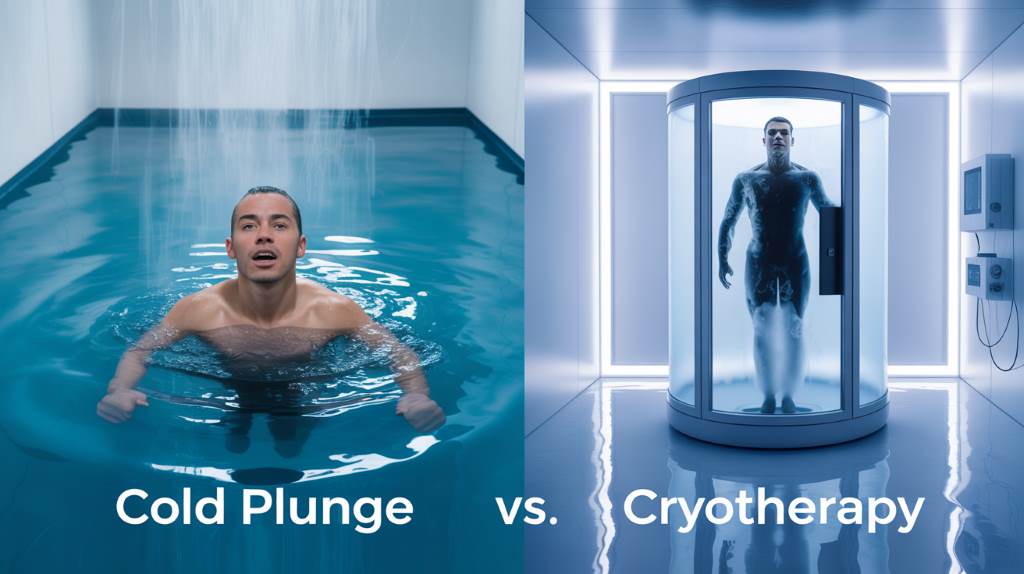
Imagine finishing a brutal workout, your muscles screaming for relief. You crave something that eases the ache, speeds healing, and gets you back in the game fast. Enter cold therapy—two stars in the recovery world: cold plunges and cryotherapy. Both promise big wins for athletes and everyday folks chasing better health. But which one delivers? We break it down here, backed by science and real talk. Stick around to find out how these icy methods stack up, so you pick the right chill for your goals. We suggest visiting the laser hair removal in midtown Manhattan.
What Is a Cold Plunge?
You step into a tub of icy water. That’s a cold plunge. Water hovers around 50 to 59 degrees Fahrenheit. You dunk your body for 5 to 15 minutes. The shock hits hard at first. Your breath quickens. Then, calm sets in.
This method dates back centuries. Ancient warriors used it to toughen up. Today, stars like Joe Rogan swear by it for post-training reset. You feel the cold seep deep into muscles. It forces your body to adapt. Blood vessels tighten. Waste flushes out when you exit.
People love it for home setups. Fill a tub with ice and water. Or buy a dedicated plunge tub. It’s raw and direct. No fancy gear needed. But it tests your grit. That initial gasp? It’s real. Visit the best anti aging facial in midtown Manhattan to get the best care for anti aging.
What Is Cryotherapy?
Picture standing in a chamber. Cold air blasts you. Temperatures drop to -166 to -265 degrees Fahrenheit. Sessions last just 2 to 3 minutes. You wear minimal clothes, gloves, and socks. A mask covers your nose and mouth.
Doctors pioneered this in the 1970s for arthritis pain. Now, athletes hit chambers after games. The dry air feels less brutal than water. Your core stays warm. Skin chills fast, though. That’s the point.
Clinics offer it with trained staff. No mess, no wetness. You walk out dry and ready. It’s quick. Perfect for busy schedules. But access costs more. Think wellness centers or spas.
How Cold Plunges Aid Recovery
Cold plunges shine for muscle repair. The icy water cuts inflammation right after workouts. Studies show it eases delayed onset muscle soreness (DOMS). You wake up less stiff.
Your body reacts strong. Vasoconstriction happens—blood vessels narrow. This reduces swelling. When you warm up, fresh blood rushes back. It carries oxygen and nutrients. Healing speeds up.
Athletes report faster bounce-back. Runners cut recovery time by days. It’s not just physical. Endorphins flood in. Mood lifts. Stress drops. One study linked it to better sleep after intense sessions.
Think of it as a full reset. Dive in post-lift or run. Emerge energized. Pair it with light stretches for max effect. It’s hands-on recovery you control.
How Cryotherapy Aids Recovery
Cryotherapy hits recovery from another angle. Extreme cold triggers anti-inflammatory responses. Research from Mayo Clinic notes it numbs pain fast. Swelling shrinks in minutes.
The chamber’s air penetrates skin deep. It boosts circulation upon exit. Oxygen-rich blood flows everywhere. Cells repair quicker. A 2024 review found it cuts muscle damage markers by 20%.
Pro fighters use it for joint relief. Tennis pros swear it prevents overuse injuries. Mental perks? Norepinephrine spikes. Focus sharpens. Anxiety fades.
Sessions fit tight routines. In and out in under five minutes. No chill hangover. It’s precise. Tech controls every degree. Ideal for targeted healing.
Key Differences Between Cold Plunges and Cryotherapy
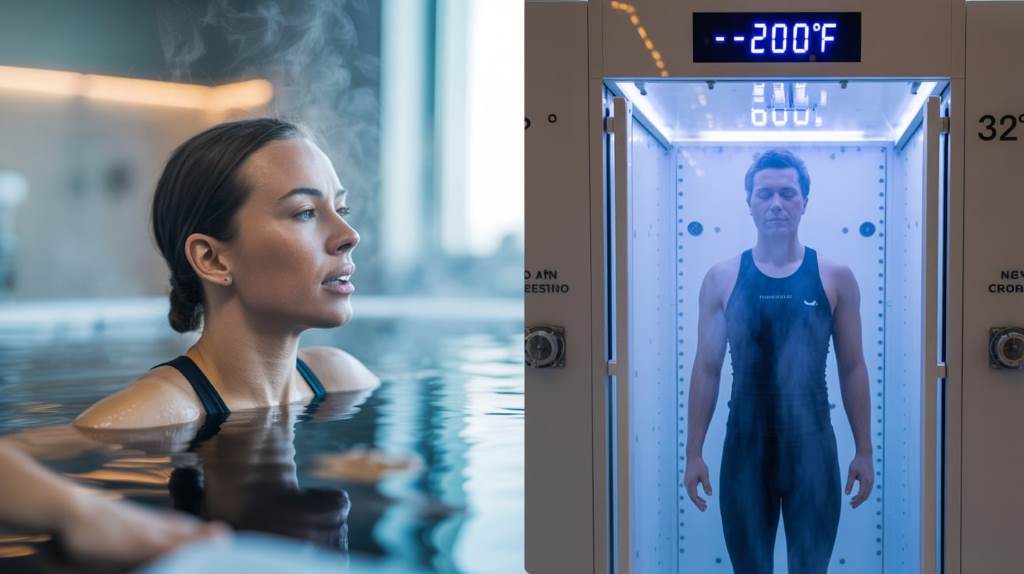
These therapies overlap but diverge big time. Let’s compare.
- Medium: Plunges use water. It conducts cold evenly. Cryotherapy blasts dry air. Less shock, more even chill.
- Temperature and Time: Water stays milder, 50-59°F, for longer dips. Air plunges to sub-zero in seconds. Short bursts rule.
- Accessibility: Set up a plunge at home cheap. Cryo needs a clinic. Travel and fees add up.
- Intensity: Plunges feel raw. Water hugs every inch. Cryo is contained. Air nips but doesn’t soak.
- Cost: Ice baths run $50-200 initial. Sessions? Pennies after. Cryo? $50-100 per pop.
Science backs both for inflammation drop. But plunges edge in metabolic boost. Cryo wins on convenience.
| Aspect | Cold Plunge | Cryotherapy |
| Temperature | 50-59°F | -166 to -265°F |
| Duration | 5-15 minutes | 2-3 minutes |
| Setup | Home tub or pool | Professional chamber |
| Cost per Use | Low (DIY) | $50+ per session |
| Best For | Deep muscle relief | Quick pain numb |
This table shows the split. Pick based on your life.
Benefits Comparison: Side-by-Side Breakdown
Both fight soreness, but nuances matter. Let’s list pros.
For cold plunges:
- Muscle Recovery: Flushes lactic acid. Cuts DOMS by 15-20%, per studies.
- Immune Boost: Sparks white blood cells. Fends off colds better.
- Mood Lift: Endorphin rush rivals a runner’s high.
- Metabolism Kick: Burns calories post-plunge. Brown fat activates.
Cryotherapy counters:
- Inflammation Control: Drops cytokines fast. Aids chronic pain.
- Skin Health: Tightens pores. Boosts collagen.
- Energy Surge: Norepinephrine jump. No crash.
- Sleep Aid: Regulates rhythms. Deeper rest follows.
Overlaps? Both reduce pain, speed healing. Plunges win for endurance sports. Cryo suits quick fixes.
Real talk: A triathlete might plunge for full-body reset. A desk warrior? Cryo for joint ease.
Scientific Evidence: What Studies Say
Research grows, but gaps remain. A 2023 meta-analysis in the Journal of Physiology praised cold water immersion for post-exercise recovery. It lowered soreness scores by 25%. Subjects bounced back faster.
Whole-body cryotherapy? A Polish study on athletes showed 30% less inflammation after sessions. But sample sizes stay small. Mayo Clinic warns: More trials needed.
Both trigger hormesis—mild stress builds resilience. Norepinephrine rises in both. Cortisol dips. That’s the recovery magic.
Risks? Plunges risk hypothermia if overdone. Cryo? Rare frostbite. Consult docs first.
Bottom line: Evidence favors both for acute recovery. Long-term? Plunges show metabolic edge.
Potential Risks and Safety Tips
Cold isn’t risk-free. Know the downsides.
Cold plunges:
- Hypothermia: Core temp drops. Limit to 10 minutes.
- Cold Shock: Gasping breath. Breathe steady.
- Heart Strain: Avoid if cardiac issues.
Cryotherapy:
- Frostbite: Dry air bites skin. Wear gear.
- Claustrophobia: Chambers feel tight.
- Blood Pressure Spike: Monitor if hypertensive.
Safety first. Start slow. Hydrate. Warm up after. Never alone in water. Docs green-light for heart folks.
Who Should Choose Cold Plunges?
You thrive on grit? Go plunge. Home athletes love the control. Runners, cyclists—it’s your jam. Build tolerance over weeks. Track mood, soreness. Adjust ice levels.
Busy parents? Skip if setup bugs you. But for resilience, it’s gold. Pair with saunas for contrast therapy. Blood flow soars.
Who Should Choose Cryotherapy?
Time-crunched pros? Cryo fits. Office warriors ease desk aches quick. Arthritis sufferers? It numbs joints best.
Travel to clinics? Weigh gas costs. Memberships save bucks. Try once. Feel the rush.
Cost Analysis: Breaking Down Expenses
Money talks. Plunges win cheap.
Home setup: $100 for tub, ice. Ongoing? $20/month ice.
Cryo: $60/session. Packages drop to $40. Home units? $10K+.
Long-term: Plunge pays off faster. Cryo suits occasional hits.
How to Get Started with Each Method
Ready to chill? Step-by-step guides.
Starting Cold Plunges
- Gear up: Thermometer, towel, timer.
- Fill tub: 50-59°F. Add ice.
- Enter slow: Feet first. Breathe deep.
- Hold: 3 minutes first time. Build up.
- Exit: Warm shower. Move gently.
Track progress in a journal.
Starting Cryotherapy
- Find center: Search local spas.
- Consult: Share health history.
- Dress: Robe, gloves ready.
- Session: Stand still. Focus breath.
- After: Hydrate. Rest 10 minutes.
Book trials cheap.
Meet Sarah, marathoner. “Plunges cut my leg pain half. I PR’d last race.” Tom, trainer: “Cryo saves my clients time. Soreness gone in hours.”
Expert Dr. Jane from UCLA: “Both work. Plunges for deep tissue. Cryo for surface relief.” Anecdotes match science. Your mileage varies.
Combining Therapies: The Ultimate Recovery Hack
Why choose? Alternate. Plunge mornings for metabolism. Cryo evenings for unwind. Contrast boosts circulation 30%.
Science nods. A 2024 study showed hybrid routines slash injury risk. Listen to your body. Rest days matter.
Conclusion
Cold plunges and cryotherapy both crush recovery goals. Plunges offer deep, affordable resets with metabolic perks. Cryotherapy delivers quick, precise hits for busy lives. Neither is “better”—it depends on you. Weigh time, budget, tolerance.
Pick one. Start small. Track wins. Your body thanks you. Ready to dive in? Find a local spot today. Share your first chill in comments. What’s your go-to?
FAQs
What Are the Main Differences Between Cold Plunges and Cryotherapy?
Cold plunges immerse you in icy water for longer. Cryotherapy uses dry, sub-zero air for short blasts. Plunges feel more intense; cryo is quicker.
Is Cryotherapy Better Than Cold Plunges for Muscle Recovery?
Both reduce soreness. Cryo edges for speed—under 3 minutes. Plunges penetrate deeper for endurance athletes.
Can Beginners Try Cold Plunges Safely?
Yes. Start at 3 minutes, 59°F. Breathe steady. Consult a doctor if heart issues.
How Often Should You Do Cryotherapy for Best Results?
Twice weekly for recovery. Daily for chronic pain. Listen to your body.
Are There Long-Term Benefits to Cold Therapy?
Yes. Both build resilience, boost mood, fight inflammation over time.
Finally, we recommended the best facials in midtown Manhattan and the best manicure in midtown Manhattan to know more details.