There’s nothing worse than settling in for a long listening session, only to find your headphones causing discomfort after just a few minutes. Whether you’re working, traveling, or simply enjoying your favorite music, comfortable wireless headphones can make all the difference. The right pair should feel like an extension of your ears, allowing you to focus on the sound without distractions.
I remember investing in a pair of wireless headphones that looked great but turned out to be a pain—literally. After just an hour, my ears ached, and the headband left a dent in my head. That’s when I realized comfort is just as important as sound quality. Since then, I’ve made it my mission to find headphones that I can wear for hours without any discomfort.
In this guide, I’ll walk you through everything you need to know to find the perfect pair of comfortable wireless headphones for long listening sessions.
Why Comfort Matters in Wireless Headphones
Comfort is a critical factor when choosing wireless headphones, especially if you plan to use them for extended periods. According to a study by Consumer Reports, over 60% of headphone users reported discomfort after prolonged use, which can lead to headaches, ear pain, or even long-term issues like pressure sores. This is because poorly designed headphones can place excessive pressure on your ears, head, or neck, leading to fatigue and discomfort.
One of the biggest advantages of comfortable wireless headphones is their ability to enhance your listening experience. When your headphones fit well and feel good, you can focus on the music, podcast, or audiobook without being distracted by discomfort. For more insights on the importance of comfort, check out this guide on wireless headphone comfort.
However, not all wireless headphones are created equal when it comes to comfort. Some may lack the padding, adjustability, or ergonomic design needed for long listening sessions. Therefore, understanding the key features to look for is essential.
Key Features to Look For
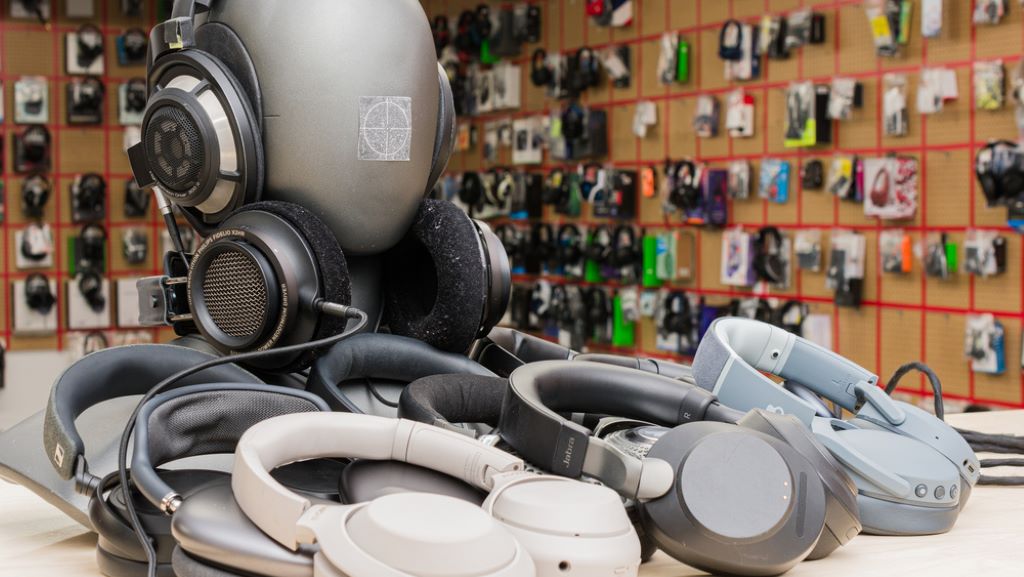
When choosing comfortable wireless headphones, the first feature to consider is the type of ear cups. Over-ear, on-ear, and in-ear headphones each have their own advantages and disadvantages when it comes to comfort. Over-ear headphones typically offer the most comfort for long listening sessions, as they distribute weight evenly across your head and ears. On-ear headphones are lighter and more compact but can place more pressure on your ears. In-ear headphones are the most portable but may not be as comfortable for extended use.
Next, pay attention to the padding. The ear cups and headband should be well-padded with soft, breathable materials like memory foam or protein leather. This padding helps reduce pressure and prevents heat buildup, ensuring your headphones remain comfortable even after hours of use. Additionally, look for ear cups that are deep enough to fully enclose your ears, as this can reduce pressure and improve sound isolation.
The headband is another critical factor. A good headband should be adjustable and padded to distribute weight evenly across your head. Some headphones feature a self-adjusting headband that automatically conforms to the shape of your head, providing a more customized and comfortable fit. Additionally, consider the clamping force of the headphones. A strong clamping force can help keep the headphones in place but may also cause discomfort over time. Look for a model with a balanced clamping force that keeps the headphones secure without squeezing your head.
Finally, think about the weight of the headphones. Lighter headphones are generally more comfortable for long listening sessions, as they place less strain on your head and neck. However, don’t sacrifice sound quality or durability for weight. Aim for a model that strikes a balance between comfort and performance.
Types of Wireless Headphones
Wireless headphones come in various styles, each with its own advantages and disadvantages when it comes to comfort. Understanding the different types can help you choose the best pair for your needs.
- Over-Ear Headphones: These headphones feature large ear cups that fully enclose your ears, providing excellent sound isolation and comfort. They’re ideal for long listening sessions, as they distribute weight evenly across your head and ears. Over-ear headphones are typically the most comfortable option for extended use but can be bulkier and less portable than other types.
- On-Ear Headphones: On-ear headphones have smaller ear cups that rest on your ears rather than enclosing them. They’re lighter and more compact than over-ear headphones but may not be as comfortable for long listening sessions, as they can place more pressure on your ears. On-ear headphones are a good choice for those who prioritize portability and convenience.
- In-Ear Headphones: In-ear headphones, also known as earbuds, are the most portable and lightweight option. They fit directly into your ear canal, providing a secure and snug fit. However, in-ear headphones may not be as comfortable for extended use, as they can cause ear fatigue or pressure. They’re a good choice for those who prioritize portability and convenience over comfort.
- Bone Conduction Headphones: These headphones use bone conduction technology to transmit sound through your cheekbones rather than your ear canal. They’re a unique and comfortable option for those who want to stay aware of their surroundings while listening to music. Bone conduction headphones are ideal for outdoor activities like running or cycling but may not provide the same sound quality as other types of headphones.
Material Matters: Choosing the Right Build
The materials used in your wireless headphones play a significant role in their comfort, durability, and overall performance. The ear cups and headband should be made from soft, breathable materials like memory foam or protein leather. These materials help reduce pressure and prevent heat buildup, ensuring your headphones remain comfortable even after hours of use.
Memory foam is a popular choice for ear cup padding due to its ability to conform to the shape of your ears, providing a customized and comfortable fit. It’s also lightweight and breathable, helping to prevent heat and moisture buildup. However, memory foam can wear out over time, so look for a model with high-quality, durable foam that maintains its shape and support.
Protein leather is another excellent material for ear cup and headband padding. It’s soft, breathable, and resistant to wear and tear, making it a durable and comfortable choice for long listening sessions. Additionally, protein leather is often more affordable than genuine leather, making it a great option for budget-conscious buyers.
The headband material is also important. Look for a headband made from lightweight, durable materials like aluminum, stainless steel, or high-quality plastic. These materials provide a sturdy and comfortable fit without adding unnecessary weight. Additionally, consider a model with a padded headband to reduce pressure and prevent discomfort.
Finally, think about the ear cup material. Some wireless headphones feature ear cups made from breathable mesh or fabric, which helps improve airflow and prevent heat buildup. Others may use synthetic leather or other materials for a more luxurious feel. Choose a material that feels comfortable against your skin and suits your personal preferences.
Adjustability and Fit for Long Listening
A good fit is essential for comfortable wireless headphones, especially for long listening sessions. Look for a model with an adjustable headband, which allows you to customize the fit to the shape of your head. Additionally, consider headphones with swiveling or rotating ear cups, which can help achieve a more secure and comfortable fit.
The clamping force of the headphones is another important factor. A strong clamping force can help keep the headphones in place but may also cause discomfort over time. Look for a model with a balanced clamping force that keeps the headphones secure without squeezing your head. Additionally, consider the weight of the headphones. Lighter headphones are generally more comfortable for long listening sessions, as they place less strain on your head and neck.
Some wireless headphones feature a self-adjusting headband that automatically conforms to the shape of your head, providing a more customized and comfortable fit. This can be especially useful for those with larger or smaller heads, as it ensures a secure and comfortable fit without the need for manual adjustments.
Finally, consider the size and shape of the ear cups. Larger ear cups can provide a more comfortable fit for those with bigger ears or who prefer a more enveloping feel. Additionally, look for ear cups with a deep and wide design, which can help reduce pressure and improve sound isolation.
Battery Life and Connectivity
Battery life is a critical factor to consider when choosing wireless headphones for long listening sessions. A longer battery life means you can enjoy your music, podcasts, or audiobooks for hours without needing to recharge. Look for a model with a battery life of at least 20-30 hours, or longer if you plan to use your headphones for extended periods.
Additionally, consider the headphones’ charging options. Most wireless headphones come with a USB charging cable, which allows you to recharge the headphones using a power bank, laptop, or wall adapter. Some models also feature quick-charging technology, which allows you to recharge the headphones in a short amount of time.
The headphones’ connectivity options are another important factor. Most wireless headphones use Bluetooth for wireless audio streaming. Look for a model with a stable Bluetooth connection and a range of at least 30 feet. Additionally, consider headphones with additional connectivity options, such as an AUX input or a USB-C port, for added versatility.
Finally, think about the headphones’ compatibility with your devices. Ensure the headphones are compatible with your smartphone, tablet, laptop, or other audio sources. Additionally, consider a model with multi-device pairing, which allows you to connect the headphones to multiple devices simultaneously.
Noise Cancellation and Sound Quality
Noise cancellation is a useful feature for comfortable wireless headphones, especially for long listening sessions in noisy environments. Active noise cancellation (ANC) uses microphones and advanced algorithms to block out external noise, allowing you to focus on your music or audio without distractions. This feature is particularly useful for travel, commuting, or working in noisy environments.
However, noise cancellation is not the only factor to consider when it comes to sound quality. A good pair of wireless headphones should also deliver clear, balanced sound with deep bass and crisp highs. Look for a model with a wide frequency range, typically between 20Hz and 20kHz, which ensures a more dynamic and detailed sound.
Additionally, consider the headphones’ driver size. Larger drivers, typically around 40mm or more, can provide more powerful and detailed sound. However, the driver size is not the only factor that determines sound quality. The headphones’ design, materials, and tuning also play a significant role in their overall performance.
Finally, think about the headphones’ sound profile. Some wireless headphones come with equalizer (EQ) settings, which allow you to customize the sound profile to your preferences. Additionally, consider a model with a built-in microphone for hands-free calls and voice assistant support.
Portability and Storage
Portability is an important factor to consider when choosing wireless headphones for long listening sessions. Look for a model that is lightweight, compact, and easy to carry. Over-ear headphones can be bulkier and less portable than on-ear or in-ear headphones, but they often provide better comfort and sound quality for extended use.
Additionally, consider the headphones’ folding design. Some wireless headphones feature a foldable design, which allows you to collapse the headphones for more compact storage and transport. This can be especially useful for travel or commuting, as it makes the headphones easier to carry and store.
The headphones’ carrying case is another important factor. A good carrying case should be durable, lightweight, and easy to carry. Look for a model with a hard-shell case for added protection against bumps, drops, and scratches. Additionally, consider a case with a soft, padded interior to prevent damage to the headphones.
Finally, think about the headphones’ cable management. Some wireless headphones come with a detachable cable, which allows you to use the headphones in wired mode if the battery runs out or for better sound quality. Additionally, consider a model with a cable management system, which helps keep the cable neat and tangle-free when not in use.
Maintenance and Care Tips
To ensure your wireless headphones last for years and continue to provide comfortable, high-quality sound, regular maintenance and care are essential. After each use, wipe down the headphones with a soft, dry cloth to remove any dirt, dust, or sweat. Avoid using harsh chemicals or abrasives, as these can damage the headphones’ materials or finish.
Next, clean the ear cups and headband padding regularly. Use a damp cloth with a mild soap solution to gently clean the padding, and allow it to air dry completely before using the headphones again. Avoid submerging the headphones in water or using excessive moisture, as this can damage the electronics or padding.
Regularly inspect the headphones for signs of wear or damage, such as frayed cables, cracked ear cups, or a loose headband. Replace or repair any damaged parts to ensure the headphones remain comfortable and functional.
Finally, store the headphones in a cool, dry place when not in use. Avoid exposing them to extreme temperatures or direct sunlight, as these can damage the materials or electronics. Additionally, consider using a protective case or bag to store and transport the headphones, providing added protection against bumps, drops, and scratches.
Conclusion
Finding the perfect pair of comfortable wireless headphones for long listening sessions doesn’t have to be complicated. By considering factors like type, materials, adjustability, and battery life, you can find a pair that meets your specific needs and enhances your listening experience.
I’ve tested countless wireless headphones over the years, and the right pair has made a world of difference in my comfort and enjoyment. Whether I’m working, traveling, or simply relaxing at home, my headphones provide the comfortable, high-quality sound I need to make the most of my listening sessions.
Now it’s your turn. Use this guide to find the perfect pair of wireless headphones for your needs. If you have your own tips or favorite models, share them in the comments below. And if you found this guide helpful, don’t forget to share it with your fellow music lovers!
FAQs
What is the most comfortable type of wireless headphones for long listening?
Over-ear headphones are typically the most comfortable for long listening sessions, as they distribute weight evenly across your head and ears. They also provide excellent sound isolation and a more enveloping feel. However, the best type for you depends on your personal preferences and needs.
How do I choose the right padding for my wireless headphones?
Look for ear cups and headband padding made from soft, breathable materials like memory foam or protein leather. These materials help reduce pressure and prevent heat buildup, ensuring your headphones remain comfortable even after hours of use.
What is the ideal battery life for wireless headphones?
The ideal battery life depends on your intended use. For most people, a battery life of at least 20-30 hours is sufficient for long listening sessions. However, if you plan to use your headphones for extended periods, consider a model with a longer battery life or quick-charging technology.
How do I maintain and care for my wireless headphones?
After each use, wipe down the headphones with a soft, dry cloth to remove any dirt, dust, or sweat. Clean the ear cups and headband padding regularly with a damp cloth and mild soap solution. Store the headphones in a cool, dry place when not in use, and consider using a protective case or bag for added protection.
Can I use wireless headphones for exercise or sports?
Yes, but look for a model designed for sports or exercise, with features like sweat resistance, a secure fit, and a lightweight design. In-ear headphones or on-ear headphones with a strong clamping force are typically the best choices for physical activities.