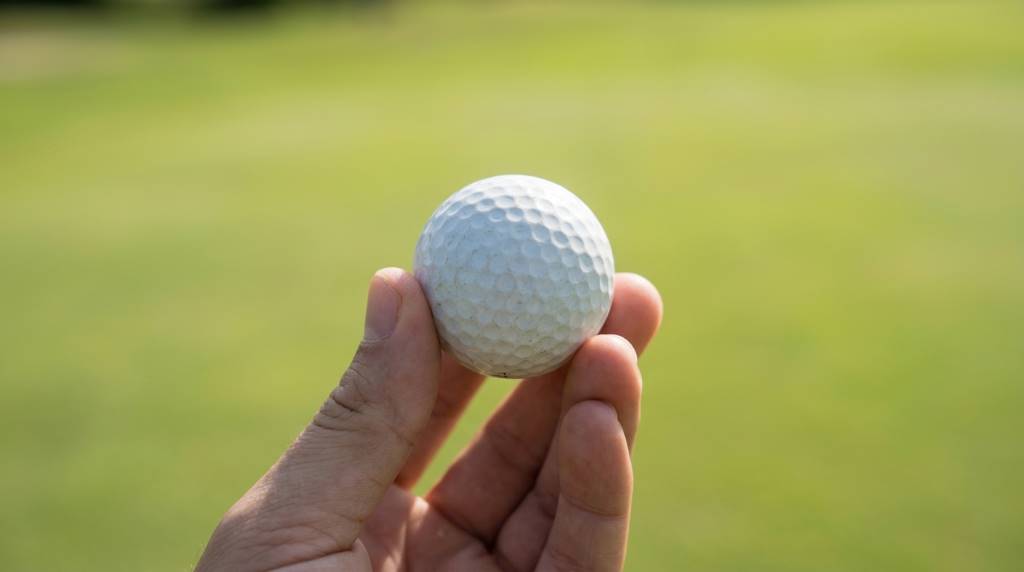
Golf performance depends on much more than swing mechanics. According to industry research, over 67% of amateur golfers play with golf balls that do not match their swing characteristics. Additionally, equipment optimization can improve scoring consistency by several strokes per round. Learning how to improve your game with the best golf balls can help golfers throughout the USA achieve better distance, accuracy, and control. Furthermore, understanding ball construction, compression, and spin characteristics allows players to maximize their natural abilities on the course.
Why Golf Ball Selection Matters More Than Most Players Realize
Many golfers spend thousands on clubs while overlooking their golf balls. However, the golf ball remains the only piece of equipment used on every shot. Therefore, selecting the right ball directly impacts overall performance.
Different golf balls produce different launch angles, spin rates, and feel characteristics. Consequently, players who match their equipment to their playing style often experience immediate improvements. Small adjustments can create significant scoring advantages.
Modern golf ball technology has advanced dramatically during recent years. Manufacturers now design specialized balls for various swing speeds and skill levels. As a result, golfers have more opportunities to optimize their performance.
Understand Your Playing Style First
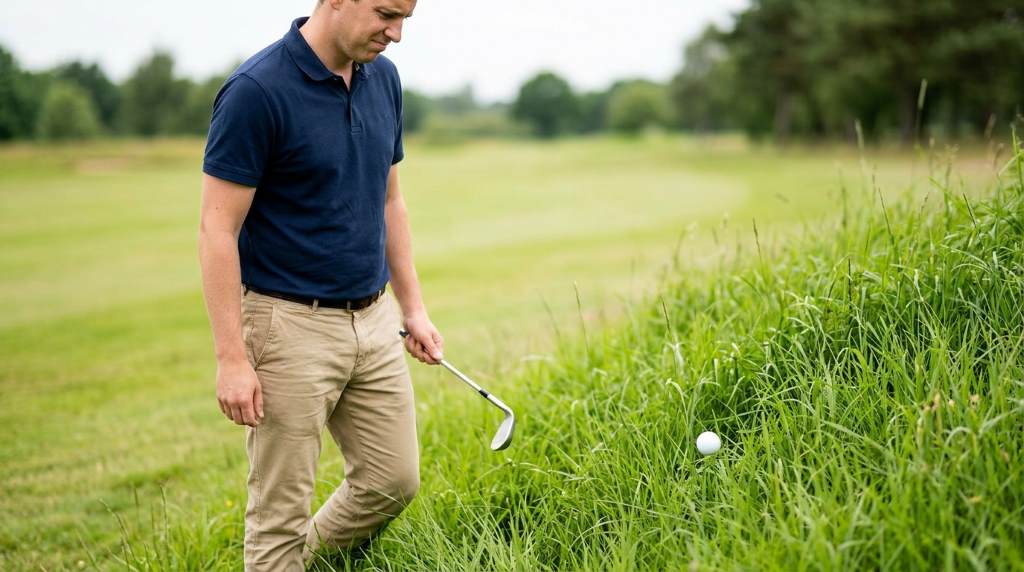
Evaluate Your Swing Speed
Swing speed determines the ideal compression rating for your golf ball. Players with slower swings require softer compression models. Meanwhile, faster swingers benefit from firmer construction.
You can estimate swing speed through launch monitors or golf simulators. Alternatively, many golf professionals offer affordable swing analysis sessions. Accurate measurements help eliminate unnecessary guesswork.
Analyze Your Typical Ball Flight
Every golfer has unique ball flight tendencies. Some players fight slices, while others struggle with hooks or excessive spin. Therefore, understanding your patterns helps identify suitable golf ball characteristics.
Track your performance over several rounds. Pay attention to distance, trajectory, and greenside control. These observations reveal valuable insights about your equipment needs.
Learn the Different Types of Golf Balls
Distance Golf Balls
Distance-focused golf balls prioritize maximum yardage and reduced spin. These models often feature harder covers and lower compression cores. Consequently, they appeal to recreational players seeking additional distance.
- Lower driver spin rates
- Increased roll after landing
- Enhanced durability
- Affordable pricing options
Tour Performance Golf Balls
Tour-level golf balls emphasize control and shot shaping capabilities. They typically feature multilayer construction and premium urethane covers. Therefore, skilled players often prefer these advanced options.
- Exceptional greenside spin
- Superior feel and feedback
- Better shot control
- Enhanced short game performance
Soft Feel Golf Balls
Soft feel golf balls provide comfortable impact sensations and moderate performance characteristics. These options work well for many amateur golfers. Additionally, they offer excellent balance between distance and control.
Match Compression to Your Swing Speed
Compression ratings indicate how much a golf ball compresses during impact. Lower compression balls deform more easily. Consequently, they help slower swingers generate better energy transfer.
Players swinging below 85 mph should consider low compression models. Golfers between 85 and 100 mph typically perform well with medium compression options. Meanwhile, faster players often benefit from higher compression balls.
| Swing Speed | Recommended Compression |
|---|---|
| Below 85 mph | Low (50-70) |
| 85-100 mph | Medium (70-90) |
| Above 100 mph | High (90+) |
Improve Distance Through Proper Ball Selection
Distance gains often result from reduced spin and optimized launch conditions. Therefore, choosing the correct golf ball can add meaningful yardage. Many players discover improvements without changing their swing mechanics.
Focus on driver performance during testing sessions. Compare carry distance, total distance, and shot dispersion patterns. Furthermore, evaluate consistency rather than occasional exceptional shots.
Weather conditions also influence ball performance. For example, softer balls often perform better in cold temperatures. Conversely, firmer balls may excel during hot weather conditions.
Enhance Your Short Game Performance
Prioritize Greenside Control
Short game performance significantly impacts scoring outcomes. Therefore, golfers should carefully evaluate wedge and putting characteristics. Superior control around greens creates more birdie opportunities.
Practice chip shots with different golf ball models. Notice how each ball reacts upon landing. Additionally, observe differences in roll out distances and stopping power.
Evaluate Putting Feel
Putting represents nearly half of all strokes during a typical round. Consequently, golf ball feel on the putting surface deserves serious attention. Comfort and confidence influence performance significantly.
Test various balls during practice sessions. Focus on sound, feedback, and distance control. These factors often determine long term satisfaction.
Use Golf Ball Fitting Technology
Professional ball fitting services have become increasingly accessible throughout the USA. Launch monitor technology provides detailed performance data. Therefore, golfers can make evidence based decisions.
Modern fitting sessions analyze several important variables:
- Ball speed
- Launch angle
- Spin rate
- Peak height
- Carry distance
- Shot dispersion
Many golf retailers and professionals now offer ball fitting experiences. Additionally, several manufacturers provide online fitting tools. These resources simplify the selection process.
Avoid Common Golf Ball Mistakes
Many golfers switch ball models frequently without proper testing. This approach creates inconsistency and confusion. Instead, commit to one model for several rounds before making judgments.
Another common mistake involves choosing golf balls based solely on professional endorsements. Tour players possess different swing characteristics and performance priorities. Therefore, their preferences may not suit recreational golfers.
Players also often ignore weather and course conditions. However, environmental factors influence golf ball performance significantly. Adaptability remains an important skill.
Create a Personal Golf Ball Testing Strategy
Develop a structured testing process to identify your ideal golf ball. Purchase several different models and evaluate them systematically. Consistency during testing improves decision making.
Consider testing categories such as:
- Driver distance
- Iron control
- Wedge spin
- Putting feel
- Durability
- Overall confidence
Record your observations carefully. Furthermore, test under similar course conditions whenever possible. Objective data often reveals surprising results.
Focus on Consistency Rather Than Marketing Claims
Golf ball advertisements frequently emphasize extraordinary performance gains. However, consistent performance matters more than occasional exceptional shots. Reliable results lead to lower scores.
Choose a golf ball that performs predictably across all aspects of your game. Additionally, select a model that fits your budget and playing frequency. Long term consistency produces measurable improvement.
Conclusion
Learning how to improve your game with the best golf balls requires careful evaluation, testing, and self awareness. The right golf ball complements your swing speed, playing style, and performance goals. Moreover, proper selection can enhance distance, control, and confidence throughout every round.
Start testing golf balls strategically and track your results carefully. With the right approach, you can unlock better performance and enjoy more success on golf courses across the USA.
FAQs
How often should I change my golf ball model?
Change models only after thorough testing demonstrates a clear performance advantage.
Do expensive golf balls always perform better?
No, the best performing golf ball depends on your individual swing characteristics.
Can golf balls really improve my score?
Yes, properly fitted golf balls can improve consistency and scoring performance.
Should beginners use tour golf balls?
Most beginners benefit more from distance or soft feel golf balls.
How many golf balls should I test before choosing?
Testing three to five different models usually provides enough comparison data.