Problem-solving skills shape children’s future success more than memorized facts. Educational gifts that challenge young minds help develop critical thinking abilities they’ll use throughout life. However, finding truly unique gifts that engage while teaching remains challenging for many gift-givers.
This guide explores proven strategies for discovering educational gifts that make problem-solving fun. Parents, relatives, and educators can use these tips to select presents that spark curiosity and build cognitive skills.
Understanding Problem-Solving Skills in Children
Problem-solving involves identifying challenges, analyzing options, and implementing solutions. Children develop these abilities through hands-on experiences and guided exploration. Therefore, the best educational gifts provide opportunities for trial, error, and discovery.
Cognitive development occurs when children face appropriate challenges. Too easy becomes boring, while too difficult causes frustration. Additionally, effective problem-solving gifts adapt to growing skill levels, maintaining engagement over time.
Research shows children retain information better through active learning than passive observation. Consequently, gifts requiring physical manipulation and mental engagement create stronger neural pathways than screen-based entertainment alone.
Identifying Age-Appropriate Problem-Solving Gifts
Age determines which problem-solving concepts children can grasp. Toddlers benefit from simple cause-and-effect toys like shape sorters and stacking blocks. These foundational toys teach spatial reasoning and basic logic.
Preschoolers handle more complex challenges involving patterns, sequences, and simple engineering. Building sets with larger pieces suit their developing fine motor skills. Moreover, puzzle difficulty should match their attention spans, typically 10-15 minutes at this age.
Elementary-aged children tackle multi-step problems and abstract thinking. Strategy games, advanced building systems, and science kits engage their expanding cognitive abilities. However, instructions should remain clear and accessible without constant adult intervention.
Teenagers appreciate gifts addressing real-world applications. Robotics kits, programming tools, and complex strategic games challenge their maturing brains. Additionally, these gifts often connect to potential career interests, adding motivational value.
Exploring STEM and STEAM Gift Categories
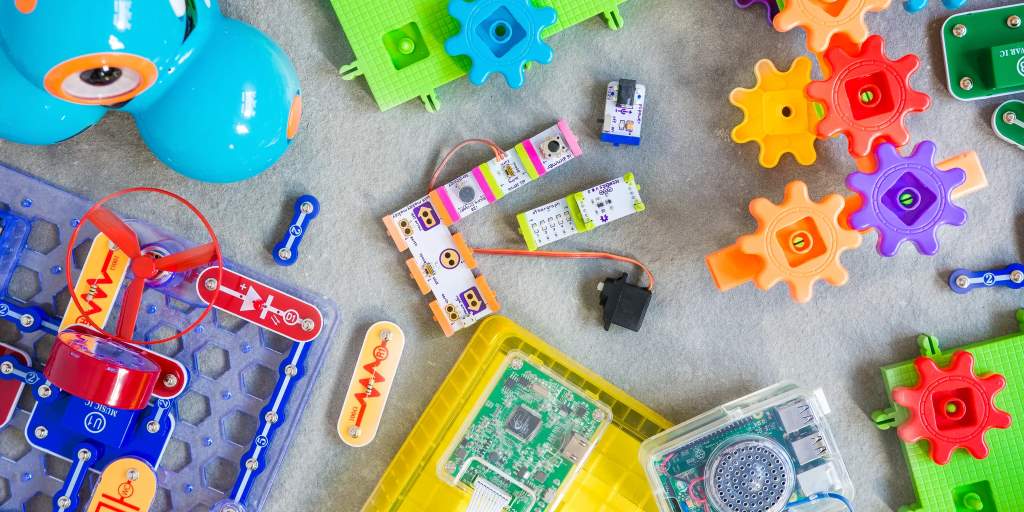
Science, technology, engineering, art, and mathematics gifts naturally incorporate problem-solving elements. Chemistry sets teach scientific method through experimentation. Robotics kits combine engineering principles with programming logic.
Coding games introduce computational thinking without requiring computer screens. Board games like “Robot Turtles” teach programming concepts through card-based commands. These tactile approaches help younger children grasp abstract ideas.
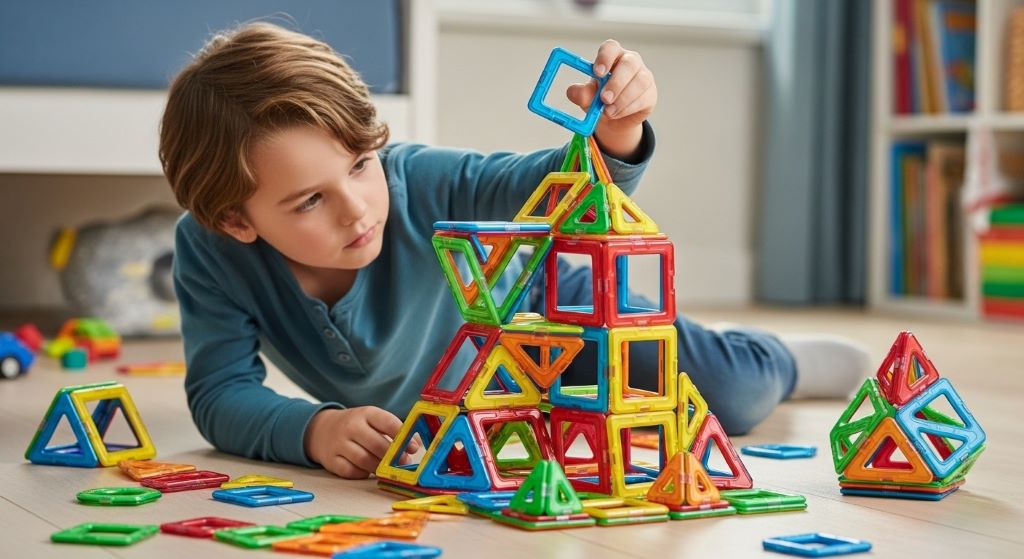
Engineering construction sets offer endless problem-solving opportunities. Brands like K’NEX, LEGO Technic, and Magna-Tiles challenge builders to create stable structures. Moreover, many sets include challenge cards with specific building goals requiring creative solutions.
Art-based problem-solving gifts encourage creative thinking alongside technical skills. Origami sets teach geometric concepts through paper folding. Craft kits requiring pattern following and adaptation develop sequential thinking abilities.
According to The New York Times, the most effective STEM toys balance fun with genuine educational value while avoiding overwhelming complexity.
Finding Unique Gifts Beyond Mainstream Stores
Mass-market retailers stock popular items but rarely carry truly unique educational gifts. Specialty toy stores employ knowledgeable staff who understand developmental appropriateness and educational value. These experts can recommend lesser-known brands offering superior problem-solving experiences.
Educational supply stores serve teachers but welcome public customers. Their inventory focuses on proven learning tools rather than trending toys. Additionally, bulk pricing sometimes makes quality items surprisingly affordable.
Museum gift shops curate collections aligned with their educational missions. Science museums stock exceptional STEM gifts, while children’s museums offer developmental toys. These venues prioritize educational value over commercial appeal.
Online marketplaces like Uncommon Goods and Fat Brain Toys specialize in unique educational products. Their detailed descriptions explain problem-solving benefits for each item. Furthermore, customer reviews provide real-world insights into engagement and difficulty levels.
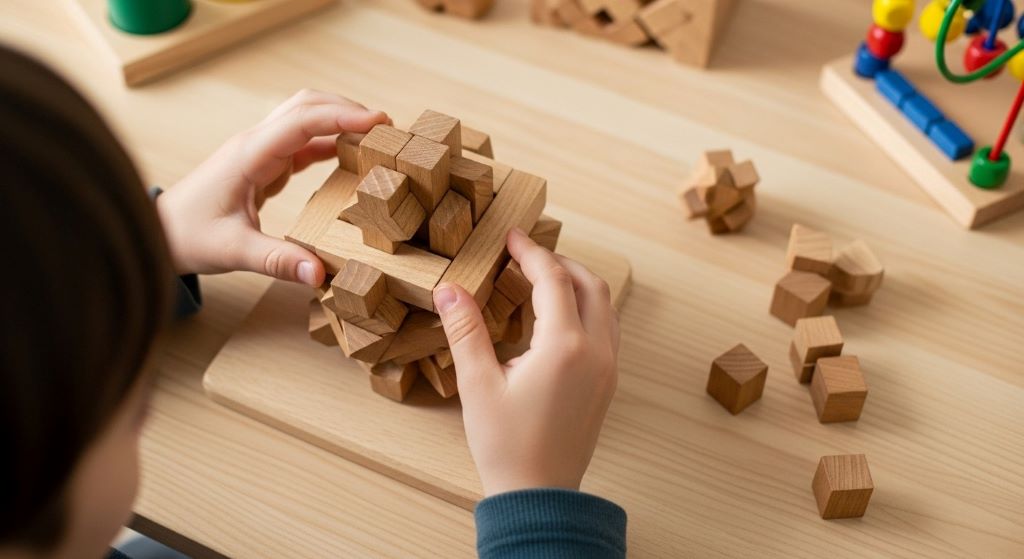
Etsy sellers create handmade educational games and puzzles unavailable elsewhere. Search terms like “Montessori puzzle” or “wooden brain teaser” reveal artisan-crafted options. However, verify seller ratings and production times before purchasing.
Evaluating Open-Ended Versus Structured Problem-Solving Gifts
Open-ended gifts provide materials without prescribed outcomes. Building blocks, art supplies, and loose parts encourage creative problem-solving. Children determine their own challenges and solutions, fostering independence and innovation.
Structured gifts present specific problems requiring particular solutions. Escape room games, logic puzzles, and challenge-based building sets guide children toward defined goals. These gifts teach systematic problem-solving approaches and persistence.
Balanced gift-giving includes both types. Open-ended materials support divergent thinking and creativity. Structured challenges develop convergent thinking and analytical skills. Therefore, consider the recipient’s existing toy collection when selecting new gifts.
Some gifts cleverly combine both approaches. Marble run construction sets provide pieces for open-ended building but include challenge cards with specific goals. This versatility extends engagement across skill levels and moods.
Assessing Quality and Educational Value
Quality educational gifts feature durable construction supporting repeated use. Cheap plastic breaks easily, ending problem-solving opportunities prematurely. Wooden toys, metal components, and thick cardboard withstand years of handling.
Instructions should clarify without oversimplifying. Well-designed educational gifts include progressive difficulty levels. Starter challenges build confidence before advancing to complex problems. Moreover, visual instructions help children work independently.
Avoid gifts requiring constant adult supervision or intervention. True problem-solving gifts empower children to struggle productively and discover solutions. However, initial guidance helping children understand mechanics proves beneficial.
Consider longevity beyond single solutions. Puzzles solved once lose appeal quickly. Games with variable setups or construction toys with infinite possibilities provide ongoing value. Additionally, gifts supporting skill progression accommodate years of development.
Reading Reviews and Seeking Recommendations
Parent reviews reveal engagement levels and actual difficulty. Search beyond five-star ratings for detailed experiences. Three and four-star reviews often provide honest assessments of limitations and appropriate age ranges.
Educational blogs and websites review learning toys extensively. Sites like Common Sense Media evaluate educational content alongside entertainment value. Their expert reviews consider developmental appropriateness and learning outcomes.
Teacher recommendations carry significant weight. Educators observe which materials genuinely engage students and support learning objectives. Therefore, asking teachers about classroom favorites provides reliable guidance.
Social media parenting groups offer community wisdom about problem-solving gifts. Members share experiences with specific products, including unexpected successes and disappointments. However, remember individual children respond differently to various challenge types.
According to research from Harvard Graduate School of Education, effective educational toys promote active engagement, meaningful learning, and social interaction while being age-appropriate and safe.
Considering Individual Interests and Learning Styles
Problem-solving gifts matching existing interests generate immediate engagement. Children passionate about dinosaurs enjoy paleontology excavation kits requiring careful problem-solving. Young animal lovers appreciate veterinary role-play sets involving diagnostic thinking.
Visual learners thrive with tangible problem-solving materials they can see and manipulate. Spatial puzzles, building challenges, and pattern games suit their strengths. Additionally, color-coded systems help these learners organize information.
Kinesthetic learners need hands-on problem-solving experiences. Science experiments, engineering challenges, and physical logic games engage their learning style. Therefore, screen-free options often prove more effective for these active learners.
Auditory learners benefit from problem-solving games with verbal components. Story-based logic puzzles and musical pattern games appeal to their strengths. Group problem-solving games with discussion elements also suit this learning style.
Exploring Subscription Boxes for Ongoing Problem-Solving
Monthly subscription boxes deliver curated problem-solving activities regularly. Services like KiwiCo and Creation Crate provide age-appropriate STEM projects. Each box includes materials and instructions for complete challenges.
Subscriptions maintain engagement beyond single gift occasions. Children anticipate monthly arrivals, and varied projects prevent boredom. Moreover, subscription services professionally design activities for optimal learning outcomes.
Many subscriptions offer sibling plans with coordinated but age-appropriate projects. Families can work together while each child faces suitable challenges. Additionally, subscriptions often cost less per project than individually purchased kits.
Preview subscription contents before committing. Most services provide detailed descriptions of included projects and skills addressed. Free trials or month-to-month options let you assess fit before long-term commitments.
Finding Budget-Friendly Problem-Solving Gifts
Educational value doesn’t require expensive purchases. Classic games like checkers and chess teach strategic thinking for minimal cost. Card games like Spot It and Set develop pattern recognition and quick thinking affordably.
DIY problem-solving gifts use household materials creatively. Homemade escape room games using puzzles and riddles cost nearly nothing. Treasure hunts with coded clues teach problem-solving through experience rather than products.
Library book sales offer puzzle books, brain teasers, and activity books for pennies. These consumable items provide hours of problem-solving practice. Additionally, libraries loan educational games and STEM kits in many communities.
Second-hand stores frequently stock quality building sets and puzzles at fraction of retail prices. Check completeness and cleanliness, but gently used educational toys function perfectly. Therefore, thrift shopping stretches budgets while reducing waste.
Conclusion
Finding unique educational gifts that teach problem-solving requires understanding developmental stages, exploring diverse sources, and matching individual interests. Quality problem-solving gifts provide appropriate challenges, support independent discovery, and maintain engagement over time. Whether shopping specialty stores, museum shops, or creating DIY challenges, focus on gifts promoting active thinking rather than passive entertainment. Therefore, thoughtful selection creates meaningful presents that build critical life skills while bringing genuine joy. The investment in problem-solving gifts pays dividends throughout children’s educational journeys and future careers.
Frequently Asked Questions
What age should children start receiving problem-solving educational gifts?
Children benefit from problem-solving gifts starting in infancy with simple cause-and-effect toys. Age-appropriate gifts evolve from basic shape sorters for toddlers to complex robotics kits for teenagers. The key is matching challenge levels to developmental stages.
Are expensive educational gifts better for teaching problem-solving?
Price doesn’t determine educational value. Many affordable classics like chess, tangram puzzles, and building blocks provide excellent problem-solving experiences. Focus on open-ended possibilities and quality construction rather than price tags or brand names.
How do I know if a gift truly teaches problem-solving skills?
Effective problem-solving gifts require children to identify challenges, test solutions, and adjust strategies. Look for toys encouraging trial and error, multiple solution paths, and progressive difficulty levels. Avoid gifts with single correct answers or passive entertainment.
Should problem-solving gifts be screen-based or hands-on?
Both types offer value, but hands-on gifts generally provide better engagement for younger children. Tactile manipulation strengthens understanding of spatial relationships and cause-effect. However, quality coding apps and digital logic games benefit older children when balanced with physical activities.
Can board games effectively teach problem-solving skills?
Yes, strategy board games excel at teaching problem-solving through engaging play. Games like Blokus, Rush Hour, and Catan require planning, adaptation, and logical thinking. Additionally, board games teach social problem-solving through negotiation and rule interpretation.
Related Topics: