
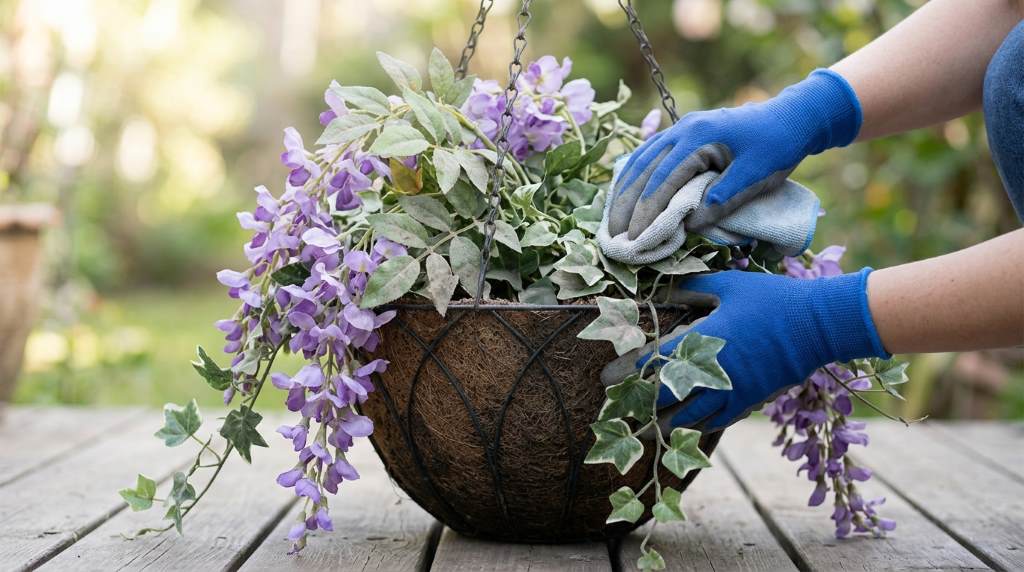
The best way to clean artificial faux hanging flower baskets involves gentle dust removal, mild soap, and careful drying. Most baskets regain their vibrant appearance within minutes when cleaned correctly. Regular maintenance also helps preserve color, texture, and overall visual appeal.
Decorative plants remain popular because they require little upkeep compared to live greenery. Studies suggest indoor decorative elements can improve perceived room comfort by over 20%. Many homeowners use Artificial faux hanging flower baskets because they offer lasting beauty without watering needs. However, dust, grease, and airborne particles gradually reduce their realistic appearance.
Why Regular Cleaning Matters
Artificial flowers collect dust faster than many people realize. Fine particles settle on petals and leaves every day.
Without cleaning, colors appear dull and lifeless over time. Therefore, routine care keeps arrangements looking fresh and attractive.
Clean decorations also improve overall room presentation. Moreover, guests often notice cleaner decorative details immediately.
Inspect the Basket Before Cleaning
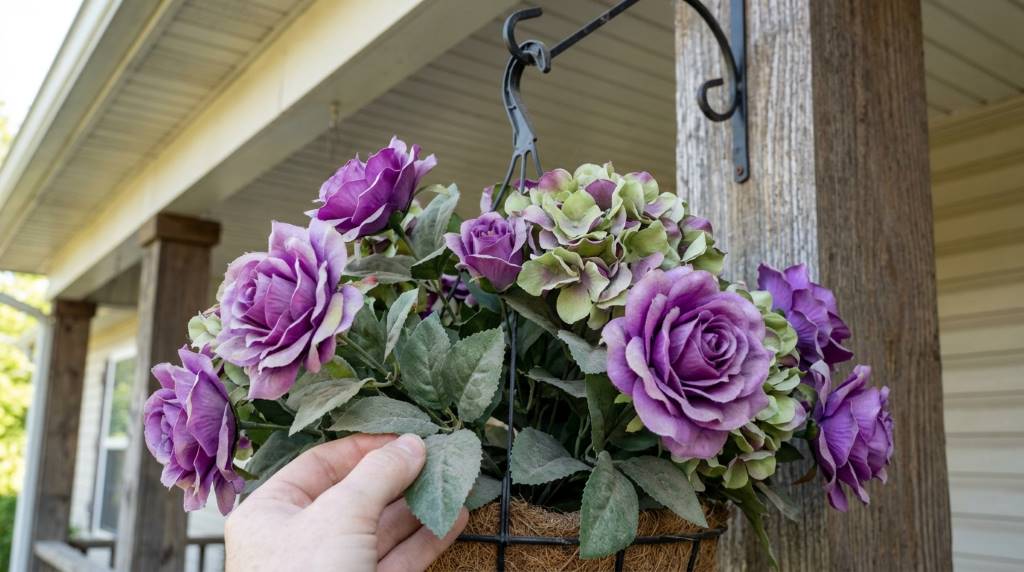
Every arrangement uses different materials and construction methods. Therefore, inspection prevents accidental damage during cleaning.
Check for loose stems, fading petals, and weak hanging chains. Additionally, identify areas with heavier dust accumulation.
Look for Material Differences
Some flowers contain silk materials while others use polyester blends. Consequently, cleaning methods may require slight adjustments.
Plastic leaves generally tolerate moisture better than fabric petals. Therefore, always assess materials before starting.
Tools You Need for Safe Cleaning
Gathering proper supplies makes the process faster and safer. Most items already exist in typical households.
- Microfiber cloth
- Soft paintbrush
- Handheld vacuum with brush attachment
- Spray bottle
- Mild dish soap
- Clean towels
- Compressed air can
- Warm water
Using gentle tools reduces wear on delicate petals. As a result, decorations maintain their realistic appearance longer.
Remove Loose Dust First
Dry cleaning should always happen before any wet cleaning method. This step prevents dirt from turning into residue.
Take the basket outdoors whenever possible. Then remove loose debris using gentle brushing motions.
Use a Soft Brush
A clean paintbrush reaches narrow spaces between flowers. Furthermore, it removes dust without bending stems.
Work from the top downward using light strokes. Consequently, particles fall away naturally during cleaning.
Try Compressed Air
Compressed air works well for detailed arrangements. However, maintain a safe distance from delicate petals.
Short bursts remove dust from difficult corners quickly. Therefore, many decorators use this method regularly.
Vacuum the Basket Carefully
A handheld vacuum removes stubborn dust effectively. Nevertheless, strong suction can damage lightweight decorations.
Attach a soft brush accessory before beginning. Then move slowly around flowers and leaves.
Keep the vacuum slightly away from delicate sections. As a result, petals remain intact throughout cleaning.
Wash Lightly Soiled Artificial Flowers
Some baskets require deeper cleaning beyond simple dust removal. Fortunately, mild soap solutions usually work well.
Mix a few drops of dish soap with warm water. Then transfer the mixture into a spray bottle.
Apply Minimal Moisture
Lightly mist a microfiber cloth instead of flowers directly. This approach reduces unnecessary moisture exposure.
Gently wipe leaves, petals, and visible stems. Meanwhile, rotate the basket for complete coverage.
Clean Tough Spots
Kitchen decorations often collect grease and sticky residue. Therefore, extra attention may become necessary.
Use a damp cloth with gentle pressure on affected areas. Then wipe again using clean water.
How to Clean Hanging Chains and Containers
Many homeowners focus only on flowers during maintenance. However, containers and chains also collect visible dirt.
Remove dust from metal chains using a damp cloth. Additionally, inspect hooks for signs of wear.
Wipe plastic or wicker containers thoroughly. Consequently, the entire arrangement looks refreshed and cohesive.
Dry the Basket Properly
Proper drying prevents moisture from becoming trapped inside materials. Therefore, never rush this important step.
Place the basket in a well ventilated area afterward. Then allow natural airflow to complete drying.
Avoid direct heat sources during the process. Excessive heat may distort plastic components over time.
Remove Odors from Artificial Flowers
Artificial arrangements sometimes absorb surrounding household odors. Fortunately, several simple solutions work effectively.
Fresh air often eliminates mild odors naturally. Therefore, place baskets outdoors temporarily when weather permits.
For stronger smells, lightly wipe surfaces with diluted vinegar. Then allow complete drying before rehanging.
Prevent Future Dust Buildup
Prevention reduces cleaning frequency and protects decorative investments. Small habits make a noticeable difference.
- Dust baskets every week
- Keep windows screened during high pollen periods
- Avoid placing baskets near cooking areas
- Rotate arrangements occasionally
- Inspect decorations monthly
These simple practices minimize heavy dirt accumulation. Consequently, deep cleaning becomes necessary less often.
Common Cleaning Mistakes to Avoid
Several mistakes can shorten the lifespan of decorative arrangements. Therefore, understanding risks helps protect them.
| Mistake | Why It Causes Problems |
|---|---|
| Using harsh chemicals | May discolor petals and leaves |
| Scrubbing aggressively | Can damage delicate materials |
| Applying excessive water | May weaken adhesives and stems |
| Using high heat | Can warp plastic components |
| Skipping dust removal | Creates muddy residue during washing |
Avoiding these issues extends decorative lifespan significantly. Furthermore, arrangements retain their original beauty longer.
When to Replace Instead of Clean
Cleaning improves appearance but cannot repair severe deterioration. Therefore, occasional replacement becomes necessary.
Consider replacement when colors fade extensively or stems break repeatedly. Additionally, damaged baskets may create safety concerns.
High quality arrangements often last many years with proper care. Consequently, maintenance remains a worthwhile investment.
Seasonal Cleaning Schedule
Different seasons create unique cleaning challenges indoors. Therefore, maintenance schedules should reflect environmental conditions.
Spring often brings pollen accumulation around decorative items. Meanwhile, winter heating systems increase indoor dust circulation.
Quarterly deep cleaning usually provides excellent results. Additionally, weekly dusting prevents major buildup between cleanings.
Conclusion
Cleaning artificial flower baskets requires simple tools, gentle techniques, and consistent maintenance. When performed regularly, the process preserves vibrant colors and realistic textures.
Start with dust removal, follow with light cleaning when needed, and finish with proper drying. Take a few minutes each month to maintain your arrangements and keep every space looking fresh year round.
Frequently Asked Questions
How often should I clean artificial hanging flower baskets?
Light dusting every week and deeper cleaning every few months works well.
Can I wash artificial flowers with water?
Yes, but use minimal moisture and dry them thoroughly afterward.
Is vinegar safe for artificial flowers?
Yes, diluted vinegar can help remove odors and light residue safely.
Can sunlight damage artificial flower baskets?
Yes, prolonged direct sunlight may cause fading over time.
What is the fastest way to remove dust?
A soft brush or compressed air usually removes dust quickly and safely.


