
Anxiety affects millions worldwide, with the National Institute of Mental Health reporting that 31.1% of U.S. adults experience an anxiety disorder at some point in their lives. For those living with anxiety, thoughtful gifts can provide comfort, promote relaxation, and support mental well-being. This article explores the history of gifts for people with anxiety, their current landscape, key concepts, benefits, challenges, and future trends, offering practical guidance for selecting meaningful presents. It includes reviews, frequently asked questions, and conclusions to provide a well-rounded resource for readers.
History of Anxiety-Focused Gifts
Early Approaches to Anxiety Relief
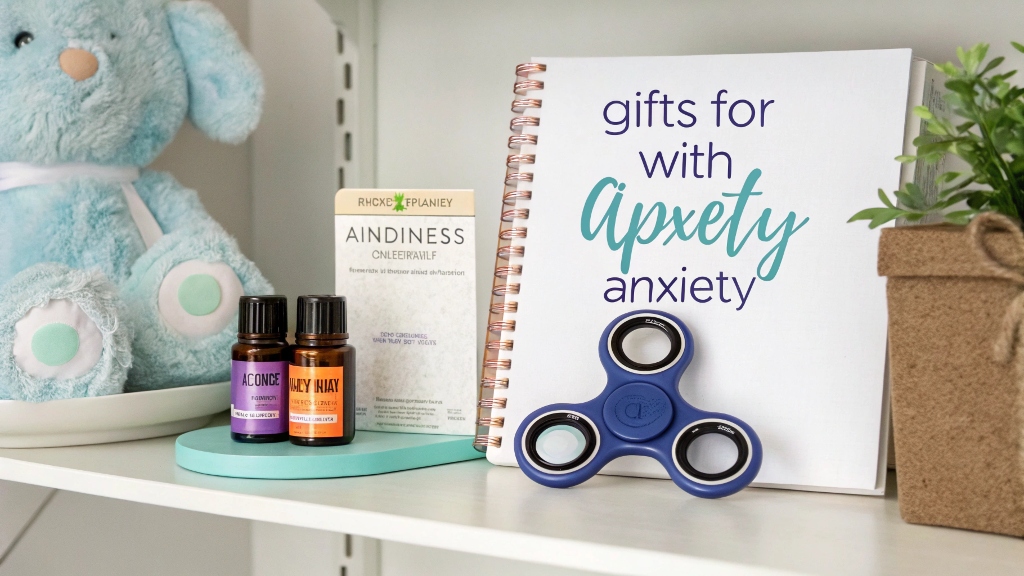
The concept of gifting items to alleviate gifts for people with anxiety has roots in ancient practices:
-
Herbal Remedies: Ancient civilizations, such as the Egyptians and Greeks, used herbs like lavender and chamomile in sachets or oils to promote calmness, often gifted during rituals or healing ceremonies.
-
Amulets and Talismans: In medieval times, people gifted charms believed to ward off negative emotions or spirits, indirectly addressing anxiety-like symptoms.
-
Spa and Relaxation Rituals: By the 19th century, the wealthy gifted spa experiences or bath salts to promote relaxation, a precursor to modern wellness gifts.
Evolution in the 20th Century
The 20th century saw a shift toward science-backed anxiety relief:
-
Massage Tools: Early massage devices, like wooden rollers, were marketed as stress relievers in the mid-1900s.
-
Aromatherapy Boom: The 1980s popularized essential oil diffusers and scented candles, often gifted to soothe nerves.
-
Self-Help Movement: Books on mindfulness and relaxation techniques became popular gifts in the 1990s, aligning with the rise of cognitive-behavioral therapy (CBT).
Modern Era
Today, anxiety-focused gifts reflect advancements in psychology, technology, and wellness culture, with products like weighted blankets and mindfulness apps gaining prominence.
Current State of Anxiety-Focused Gifts
Market Overview
The global wellness market, valued at $4.9 trillion in 2024 according to the Global Wellness Institute, includes a growing segment of gifts for people with anxiety. Popular categories include:
-
Sensory Tools: Weighted blankets, fidget toys, and stress balls.
-
Mindfulness Products: Guided journals, meditation apps, and coloring books.
-
Tech-Based Solutions: Wearable devices and biofeedback tools.
-
Aromatherapy and Comfort Items: Essential oil diffusers, plush toys, and calming teas.
Consumer Trends
Recent data from a 2025 Statista survey indicates:
-
68% of gift-givers prioritize wellness-focused presents.
-
Online searches for “anxiety relief gifts” surged by 45% from 2023 to 2025.
-
Eco-friendly and personalized gifts are increasingly sought after.
Key Concepts in Selecting Anxiety Gifts
Understanding Anxiety
gifts for people with anxiety manifests differently for each person, so gifts should align with individual needs:
-
Physical Symptoms: Racing heart, muscle tension, or restlessness may benefit from tactile or grounding tools.
-
Cognitive Symptoms: Overthinking or worry may respond to mindfulness-based gifts.
-
Sensory Preferences: Some individuals prefer calming visuals or sounds, while others need tactile stimulation.
Personalization
Tailoring gifts to the recipient’s preferences enhances effectiveness:
-
Triggers: Avoid gifts that might overwhelm, like loud sound machines for noise-sensitive individuals.
-
Interests: Pair anxiety relief with hobbies, such as art supplies for creative types.
-
Customization: Monogrammed journals or custom-scented candles add a personal touch.
Evidence-Based Benefits
Gifts grounded in science are more likely to provide relief:
-
Weighted Blankets: Studies, like a 2020 Journal of Sleep Research article, show they reduce insomnia and anxiety by mimicking deep pressure stimulation.
-
Aromatherapy: A 2023 study in Frontiers in Psychology found lavender and chamomile scents lower cortisol levels.
-
Fidget Tools: Research from the Journal of Abnormal Child Psychology (2021) suggests they improve focus in anxious individuals.
Benefits of Anxiety-Focused Gifts
Emotional Support
-
Validation: Thoughtful gifts show care and understanding, reducing feelings of isolation.
-
Empowerment: Tools like journals or apps encourage self-management of anxiety.
-
Immediate Relief: Items like stress balls offer quick grounding during panic attacks.
Practical Advantages
-
Portability: Many gifts, like fidget rings or essential oil rollers, are travel-friendly.
-
Long-Term Use: Durable items, such as weighted blankets, provide ongoing support.
-
Non-Invasive: Unlike medication, these gifts are low-risk and accessible.
Social Impact
-
Destigmatization: Gifting anxiety tools normalizes mental health discussions.
-
Community Building: Shared experiences, like group meditation app subscriptions, foster connection.
Challenges in Choosing Anxiety Gifts
Individual Variability
-
Diverse Needs: What soothes one person (e.g., loud white noise) may trigger another.
-
Overwhelm: Too many options can paralyze decision-making for gift-givers.
Quality and Efficacy
-
Low-Quality Products: Cheap fidget toys or poorly designed apps may frustrate users.
-
Misleading Claims: Some products lack scientific backing, wasting money and trust.
Accessibility
-
Cost: High-quality items like weighted blankets can range from $50-$200.
-
Availability: Niche products may be hard to find in local stores, requiring online purchases.
Product Reviews
Weighted Blanket: Bearaby Cotton Napper
-
Price: $199 (2025 average)
-
Features:
-
15-25 lb options for personalized comfort.
-
Organic cotton, breathable knit design.
-
Machine-washable.
-
-
Pros: Eco-friendly, aesthetically pleasing, effective for sleep and anxiety.
-
Cons: Expensive, heavy to move.
-
Rating: 4.5/5 (based on 2025 Amazon reviews averaging 4.7 stars from 3,000+ users).
Fidget Toy: Speks Geode
-
Price: $29.95
-
Features:
-
Magnetic spheres for tactile stimulation.
-
Portable and discreet.
-
Multiple color options.
-
-
Pros: Durable, satisfying to manipulate, quiet.
-
Cons: Small parts pose choking hazard for kids.
-
Rating: 4.2/5 (based on Speks’ website feedback, 2025).
Meditation App: Calm Premium Subscription
-
Price: $69.99/year
-
Features:
-
Guided meditations, sleep stories, and breathing exercises.
-
Offline access and daily new content.
-
Multi-platform compatibility.
-
-
Pros: User-friendly, evidence-based, customizable.
-
Cons: Recurring cost, requires device.
-
Rating: 4.8/5 (based on 2025 App Store reviews, 1.2M ratings).
|
Product |
Price |
Key Benefit |
Drawback |
Best For |
|---|---|---|---|---|
|
Bearaby Cotton Napper |
$199 |
Deep pressure stimulation |
High cost |
Home use, sleep issues |
|
Speks Geode |
$29.95 |
Portable fidgeting |
Small parts |
On-the-go relief |
|
Calm Subscription |
$69.99/year |
Guided mindfulness |
Subscription model |
Long-term practice |
Future Trends in Anxiety Gifts
Technology Integration
-
AI-Powered Tools: Apps like Woebot use AI to provide CBT-based support, expected to grow in popularity by 2027.
-
Wearables: Devices like the Apollo Neuro, which uses vibrations to calm the nervous system, are projected to dominate by 2030 (Statista, 2025).
-
Virtual Reality: VR meditation experiences are emerging, offering immersive relaxation.
Sustainability
-
Eco-Friendly Materials: Brands like Bearaby lead with organic, biodegradable products.
-
Minimalist Packaging: Consumers prefer low-waste, recyclable gift options.
Personalization
-
Custom Subscriptions: Services offering tailored meditation or journaling prompts are gaining traction.
-
Bespoke Sensory Kits: Curated boxes with scents, textures, and sounds matched to user preferences are expected to rise.
Discover More: Canva Code in Education: How AI-Powered Design Tools Are Changing the Classroom
FAQs
1. What makes a gift suitable for someone with anxiety?
A suitable gift aligns with the recipient’s specific anxiety triggers and preferences, is evidence-based (e.g., weighted blankets), and is practical for their lifestyle.
2. Are weighted blankets safe for everyone?
They’re generally safe but not recommended for infants, those with respiratory issues, or people unable to move heavy objects. Consult a doctor if unsure.
3. Can digital gifts like apps be as effective as physical ones?
Yes, apps like Calm provide structured mindfulness, backed by research showing digital CBT reduces anxiety (Frontiers in Psychiatry, 2024).
4. How do I choose a gift without knowing the person’s specific anxiety triggers?
Opt for versatile, low-risk items like journals or aromatherapy rollers, and include a gift receipt for flexibility.
5. Are there affordable anxiety gift options under $20?
Yes, options include stress balls ($5-$10), essential oil rollers ($10-$15), and adult coloring books ($8-$12).
Read More Also: Power Up Your Presents: The Ultimate Guide to Solar-Powered Gadget Gift Ideas
Conclusion
Gifts for people with gifts for people with anxiety have evolved from ancient herbal remedies to sophisticated, science-backed tools like weighted blankets and meditation apps. These gifts offer emotional support, practical relief, and social benefits, though challenges like individual variability and cost persist. By understanding the recipient’s needs and choosing high-quality, evidence-based products, gift-givers can make a meaningful impact. Future trends point toward technology-driven, sustainable, and personalized solutions, ensuring continued innovation in this space. Whether it’s a tactile fidget toy or a mindfulness subscription, the right gift can empower those with anxiety to manage their symptoms effectively.


