
Biophilic design, rooted in humanity’s innate connection to nature, is transforming how we approach biophilic home décor, particularly in small spaces where maximizing aesthetics and functionality is paramount. Delving into its history, current practices, benefits, challenges, and future trends. With practical tips, expert insights, and a forward-looking perspective, this guide offers valuable information for both novices and seasoned design enthusiasts. The article concludes with a review, a proven method for implementation, and five FAQs to address common queries.
History of Biophilic Design
Origins and Evolution
Biophilic design draws from the concept of biophilic home décor, introduced by biologist E.O. Wilson in 1984, which posits that humans have an inherent affinity for nature. The term “biophilic design” emerged in the 1990s as architects and designers began integrating natural elements into built environments to enhance well-being.
-
Early Influences:
-
Ancient architecture, like Roman atriums and Japanese Zen gardens, incorporated greenery and natural light.
-
The Arts and Crafts movement (late 19th century) emphasized natural materials and organic forms.
-
-
Modern Development:
-
In the 2000s, Stephen Kellert formalized biophilic home décor principles, categorizing them into direct (e.g., plants, water) and indirect (e.g., natural patterns, light) experiences of nature.
-
Urbanization and shrinking living spaces spurred interest in biophilic design for small homes, with designers adapting principles for apartments and tiny houses.
-
Biophilia in Small Spaces
As urban populations grew, small-space living became common, prompting designers to adapt biophilic principles for compact environments. By the 2010s, biophilic home décor gained traction in cities like Tokyo and New York, where space constraints demanded innovative solutions.
Current State of Biophilic Design in Small Spaces
Key Concepts
biophilic home décor in small spaces focuses on integrating nature-inspired elements to create calming, functional, and aesthetically pleasing environments. Core principles include:
-
Direct Nature: Incorporating living elements like plants or water features.
-
Indirect Nature: Using natural materials (wood, stone) or biomorphic patterns.
-
Space and Light: Maximizing natural light and creating a sense of openness.
-
Human-Nature Interaction: Designing spaces that evoke emotional connections to nature.
Popular Trends
Current trends in biophilic décor for small spaces emphasize minimalism, multifunctionality, and sustainability:
-
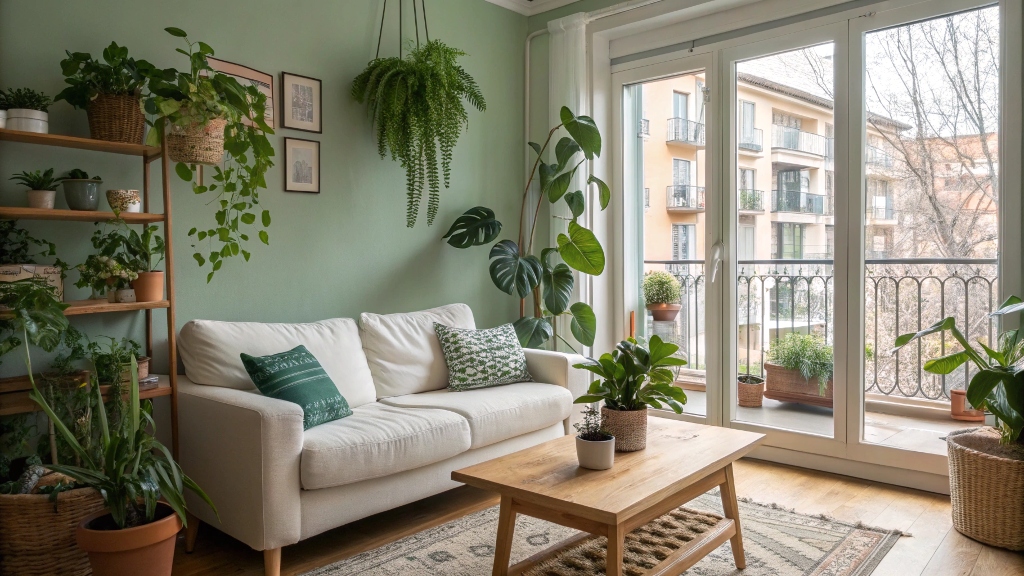
Vertical Gardens: Wall-mounted planters or living walls save floor space.
-
Natural Textures: Rattan, linen, and reclaimed wood add warmth without clutter.
-
Smart Furniture: Modular pieces with built-in planters or green accents.
-
Micro-Water Features: Small tabletop fountains or aquariums for tranquility.
Benefits of Biophilic Décor in Small Spaces
Psychological and Physical Well-Being
Biophilic design enhances mental health and physical comfort, particularly in confined spaces where stress can accumulate.
-
Stress Reduction:
-
Studies (e.g., University of Melbourne, 2014) show that exposure to plants reduces cortisol levels by up to 20%.
-
Natural light improves mood and regulates circadian rhythms.
-
-
Improved Air Quality:
-
Plants like spider plants and peace lilies filter indoor pollutants.
-
NASA’s Clean Air Study (1989) identified plants that remove toxins like formaldehyde.
-
-
Enhanced Productivity:
-
A 2015 study by Human Spaces found that biophilic environments boost workplace productivity by 15%.
-
Aesthetic and Functional Advantages
Biophilic décor elevates small spaces by blending beauty and utility.
-
Visual Appeal:
-
Natural elements create a cohesive, timeless aesthetic.
-
Organic shapes soften the angularity of small rooms.
-
-
Space Optimization:
-
Vertical gardens and hanging planters maximize floor space.
-
Multifunctional furniture (e.g., plant-integrated shelves) reduces clutter.
-
Challenges of Implementing Biophilic Décor in Small Spaces
Space Constraints
Small spaces limit the scale and type of biophilic elements that can be incorporated.
-
Limited Floor Space:
-
Large plants or water features may overwhelm tiny rooms.
-
Solution: Opt for wall-mounted or hanging solutions like moss panels.
-
-
Maintenance Challenges:
-
Plants require regular care, which can be daunting in busy urban lifestyles.
-
Solution: Choose low-maintenance plants like succulents or pothos.
-
Cost and Accessibility
Biophilic décor can be expensive or hard to source, especially for renters or those on a budget.
-
High Initial Costs:
-
Quality natural materials (e.g., reclaimed wood) can be pricey.
-
Solution: DIY projects or second-hand furniture can reduce expenses.
-
-
Rental Restrictions:
-
Renters may face limitations on wall modifications or plant installations.
-
Solution: Use removable adhesives or freestanding planters.
-
Environmental Factors
Small spaces often lack adequate light or ventilation, complicating biophilic design.
-
Low Natural Light:
-
Many urban apartments have small windows or face obstructions.
-
Solution: Use grow lights or light-reflecting surfaces like mirrors.
-
-
Humidity and Ventilation:
-
Water features or dense plant arrangements can increase humidity.
-
Solution: Incorporate small fans or dehumidifiers.
-
Biophilic Décor Ideas for Small Spaces
Maximizing Vertical Space
Vertical surfaces are underutilized assets in small homes, offering opportunities for biophilic integration.
-
Living Walls:
-
Install modular planters or felt-pocket systems for herbs or ferns.
-
Maintenance tip: Use drip irrigation systems for easy watering.
-
-
Hanging Planters:
-
Suspend macramé or ceramic pots from ceilings or curtain rods.
-
Best plants: Trailing varieties like string of pearls or ivy.
-
-
Wall-Mounted Shelves:
-
Combine small potted plants with books or décor for a layered look.
-
Safety tip: Secure shelves to avoid tipping in earthquake-prone areas.
-
Incorporating Natural Materials
Natural materials add texture and warmth without overwhelming small spaces.
-
Wood Accents:
-
Use reclaimed wood for floating shelves or furniture.
-
Budget option: Peel-and-stick wood veneer for a rustic touch.
-
-
Stone and Pebbles:
-
Create a mini Zen garden on a coffee table with pebbles and sand.
-
Pair with a single bonsai for a minimalist focal point.
-
-
Textiles:
-
Choose linen or cotton curtains in earthy tones (sage, terracotta).
-
Layer jute or sisal rugs for tactile grounding.
-
Enhancing Natural Light
Natural light amplifies biophilic design, making small spaces feel larger and more inviting.
-
Sheer Curtains:
-
Replace heavy drapes with linen or muslin to diffuse light softly.
-
Cleaning tip: Wash sheer fabrics monthly to prevent dust buildup.
-
-
Mirrors:
-
Place mirrors opposite windows to reflect light and greenery.
-
Design tip: Use round or organic-shaped mirrors for a natural aesthetic.
-
-
Skylight Alternatives:
-
For apartments without skylights, install LED panels mimicking daylight.
-
Energy-saving tip: Use timers to control artificial light usage.
-
Micro-Water Features
Water elements introduce soothing sounds and visual calm, even in tiny spaces.
-
Tabletop Fountains:
-
Choose compact designs with bamboo or stone accents.
-
Maintenance tip: Refill with distilled water to prevent mineral buildup.
-
-
Wall-Mounted Waterfalls:
-
Slim, vertical water panels save space and add elegance.
-
Installation tip: Ensure proper sealing to avoid wall damage.
-
-
Aquariums:
-
Nano aquariums (1–5 gallons) house small fish or shrimp.
-
Care tip: Use automated feeders for low-maintenance upkeep.
-
Multifunctional Furniture
Furniture that integrates biophilic elements saves space and enhances design.
-
Plant-Integrated Shelving:
-
Shelves with built-in planter boxes for herbs or succulents.
-
Design tip: Paint shelves in muted greens to blend with plants.
-
-
Convertible Tables:
-
Coffee tables with lift-tops revealing moss or pebble trays.
-
Storage tip: Use hidden compartments for plant care tools.
-
-
Modular Seating:
-
Ottomans with removable tops for plant storage or mini terrariums.
-
Fabric tip: Choose stain-resistant upholstery for easy cleaning.
-
Comparison Table: Biophilic Elements for Small Spaces
|
Element |
Space Required |
Maintenance Level |
Cost Range |
Best For |
|---|---|---|---|---|
|
Vertical Garden |
Low (wall) |
Moderate |
$50–$300 |
Apartments with limited floors |
|
Hanging Planters |
Low (ceiling) |
Low |
$10–$100 |
Renters, small balconies |
|
Tabletop Fountain |
Low (surface) |
Moderate |
$20–$150 |
Desks, living rooms |
|
Reclaimed Wood Shelf |
Low (wall) |
Low |
$30–$200 |
Rustic or minimalist aesthetics |
|
Nano Aquarium |
Medium (surface) |
High |
$50–$500 |
Dedicated hobbyists |
Future Trends in Biophilic Design for Small Spaces
Technological Integration
Advancements in technology are shaping the future of biophilic décor, making it more accessible and sustainable.
-
Smart Planters:
-
Self-watering pots with sensors for soil moisture and light levels.
-
Example: Products like Click & Grow integrate app-based monitoring.
-
-
Biomimetic Materials:
-
3D-printed furniture mimicking natural forms (e.g., coral-inspired tables).
-
Sustainability tip: Choose recycled or biodegradable materials.
-
-
Augmented Reality (AR):
-
AR apps allow users to visualize biophilic designs before implementation.
-
Example: IKEA’s Place app could expand to include biophilic elements.
-
Sustainable Practices
As environmental awareness grows, biophilic design is aligning with eco-friendly principles.
-
Upcycled Décor:
-
Repurpose pallets or crates into plant stands or shelves.
-
Community tip: Join local swap groups for free materials.
-
-
Native Plants:
-
Use region-specific plants to reduce water and care needs.
-
Example: In arid regions, opt for cacti or agave.
-
-
Energy-Efficient Lighting:
-
Solar-powered grow lights for plants in low-light spaces.
-
Cost-saving tip: Pair with timers for optimal energy use.
-
Cultural and Social Shifts
Biophilic design is becoming a cultural movement, reflecting a desire for connection in urban settings.
-
Community Gardens:
-
Shared rooftop or balcony gardens foster social bonds.
-
Example: Singapore’s urban farming initiatives inspire small-space solutions.
-
-
Biophilic Micro-Units:
-
Developers are designing tiny homes with built-in green features.
-
Example: Micro-apartments in Seoul integrate living walls as standard.
-
Review: Why Biophilic Décor Works for Small Spaces
Biophilic home décor is a game-changer for small spaces, offering a blend of beauty, functionality, and well-being. Its ability to transform cramped environments into serene, nature-inspired retreats is unmatched. Vertical gardens, natural materials, and smart lighting solutions address space constraints while enhancing aesthetics. Despite challenges like maintenance and cost, the psychological and physical benefits—backed by research—make it a worthwhile investment. As technology and sustainability drive innovation, biophilic design is poised to become a staple in urban living.
Proven Method: Step-by-Step Implementation
To successfully incorporate biophilic décor in a small space, follow this proven method:
-
Assess Your Space:
-
Measure available floor, wall, and ceiling space.
-
Note natural light sources and ventilation.
-
-
Set a Budget:
-
Allocate funds for plants, materials, and furniture.
-
Explore DIY or second-hand options to save costs.
-
-
Choose Low-Maintenance Elements:
-
Select plants like pothos or succulents.
-
Opt for compact water features or simple wood accents.
-
-
Prioritize Vertical Solutions:
-
Install hanging planters or wall-mounted shelves.
-
Use mirrors to enhance light and space perception.
-
-
Incorporate Multifunctionality:
-
Invest in furniture with built-in planters or storage.
-
Ensure pieces are scalable for future moves.
-
-
Monitor and Adjust:
-
Check plant health and water feature functionality weekly.
-
Adjust lighting or ventilation as needed.
-
Read More Also: Affordable Jewelry for Sensitive Skin: A Comprehensive Guide
FAQs: Biophilic Décor for Small Spaces
-
What are the best plants for low-light small spaces?
-
Snake plants, ZZ plants, and pothos thrive in low light and require minimal care.
-
-
How can renters incorporate biophilic design without permanent changes?
-
Use freestanding planters, removable wall decals, or peel-and-stick wood accents.
-
-
Are water features practical in tiny apartments?
-
Yes, tabletop fountains or nano aquariums are compact and low-maintenance if properly managed.
-
-
How do I maintain a vertical garden in a small space?
-
Choose self-watering systems or low-maintenance plants and check moisture levels weekly.
-
-
What’s the most cost-effective biophilic décor idea?
-
DIY hanging planters using recycled materials or thrifted pots are budget-friendly and impactful.
-